
Enrique Martínez Celaya: The Sextant
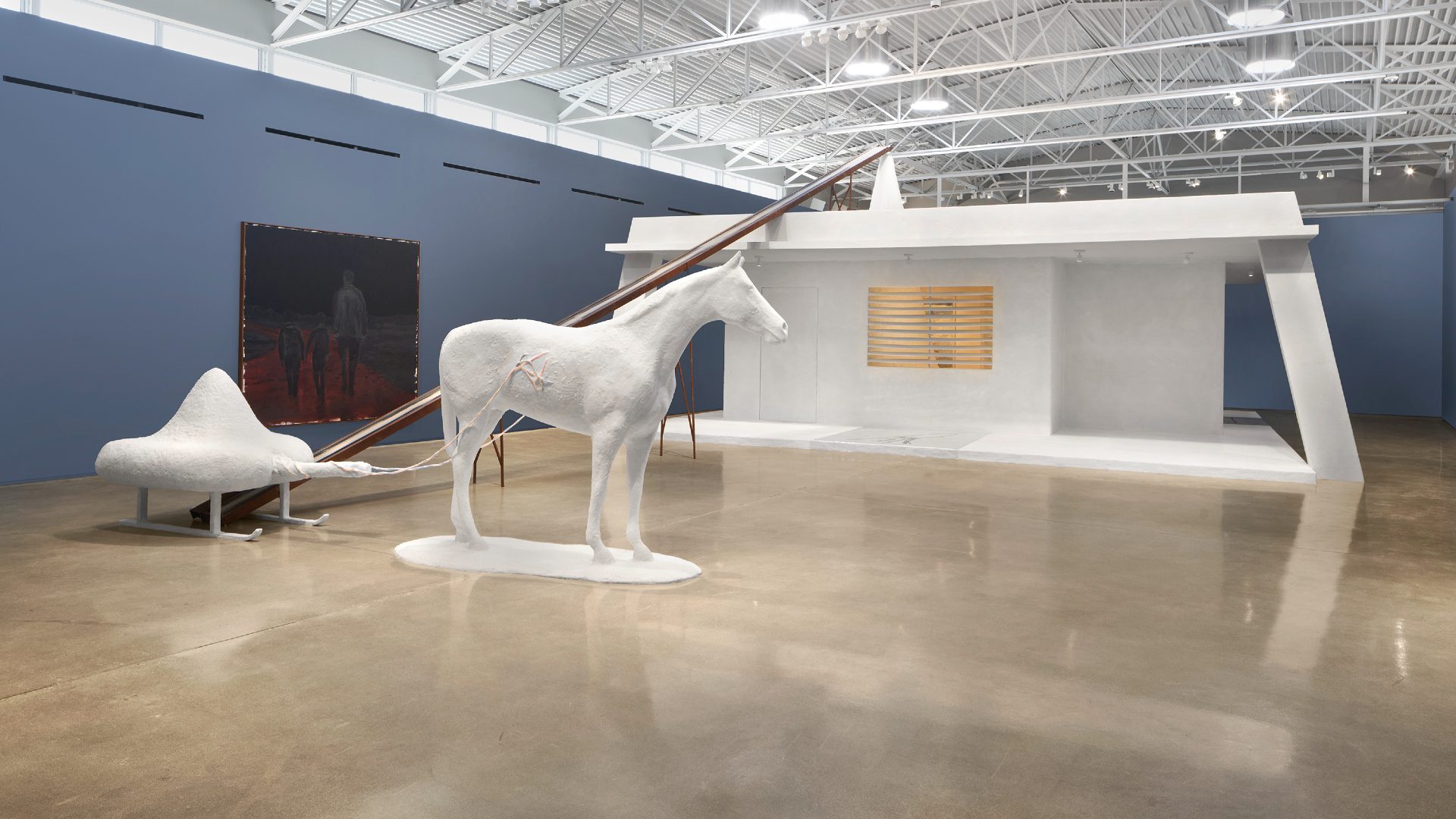
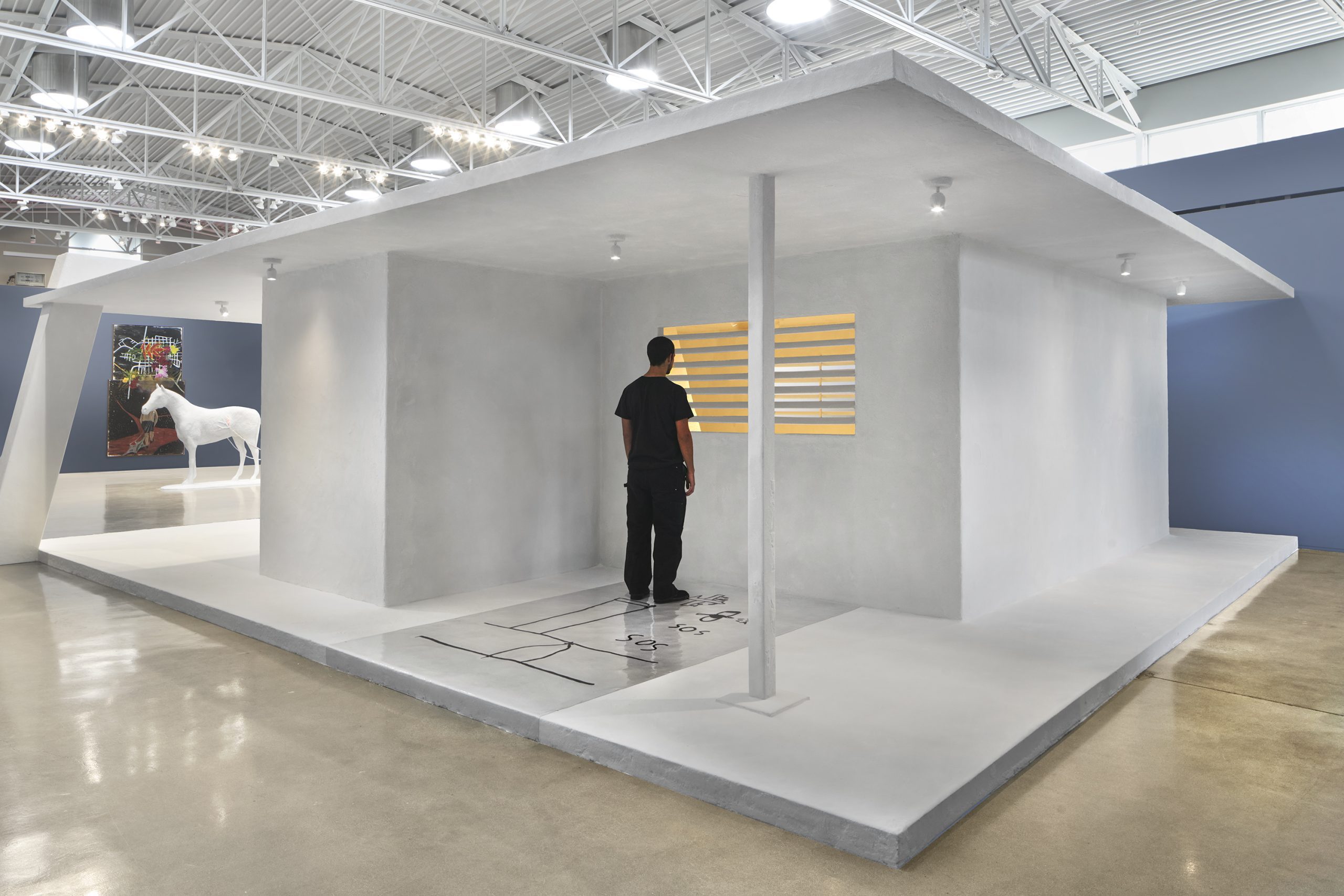
Between 1957 and 1963, the artist’s father built a modernist house in a small coastal village in Cuba. The period spanned the Cuban Revolution, the Cuban Missile Crisis, and the United States embargo against Cuba — a political context that shaped the story of the house in multiple ways. The family waited there for exile. Today the house serves as an official wedding venue, carrying with it the contradictions and scars of the Communist Revolution and its aftermath.
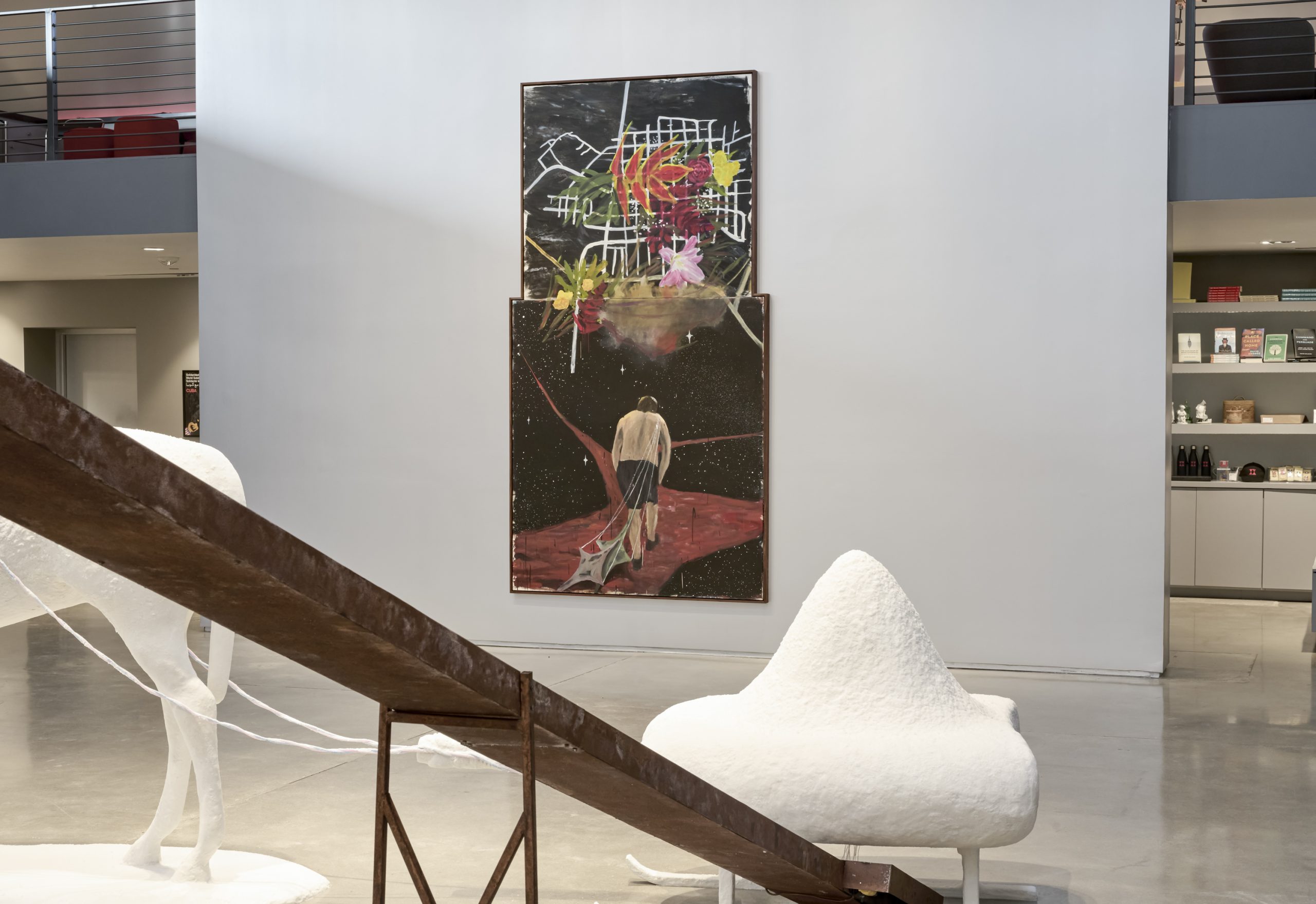
The Sextant is a smaller-scale recreation of that house, serving as an embodiment of the cultural, architectural, and emotional responses to the Cold War in the Caribbean. The act of recreation itself is critically meaningful. The model raises questions of authenticity and the gap between reality and dream, and surfaces tensions that run through all human experience but carry particular weight for those who lived in communist countries during the Cold War.
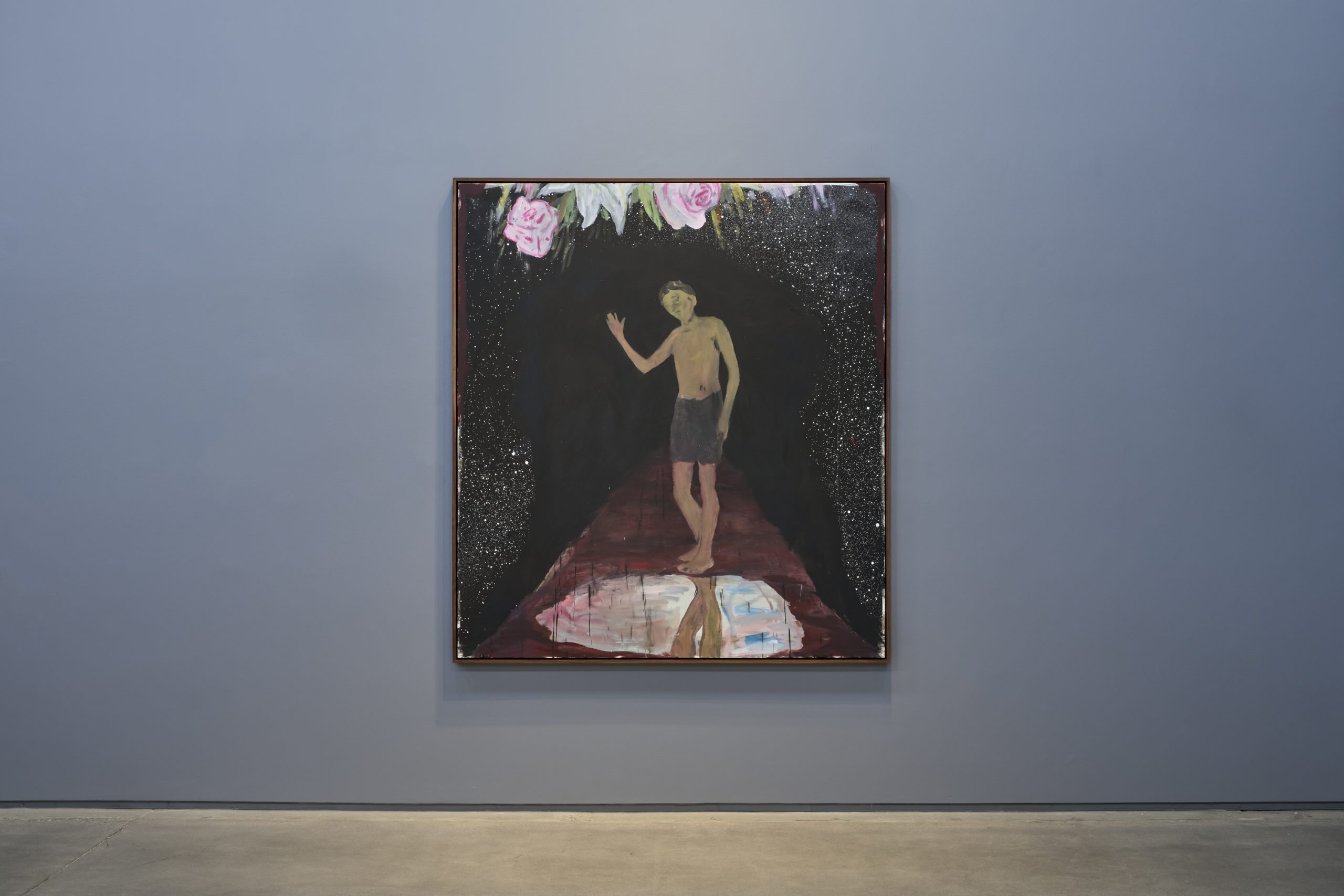
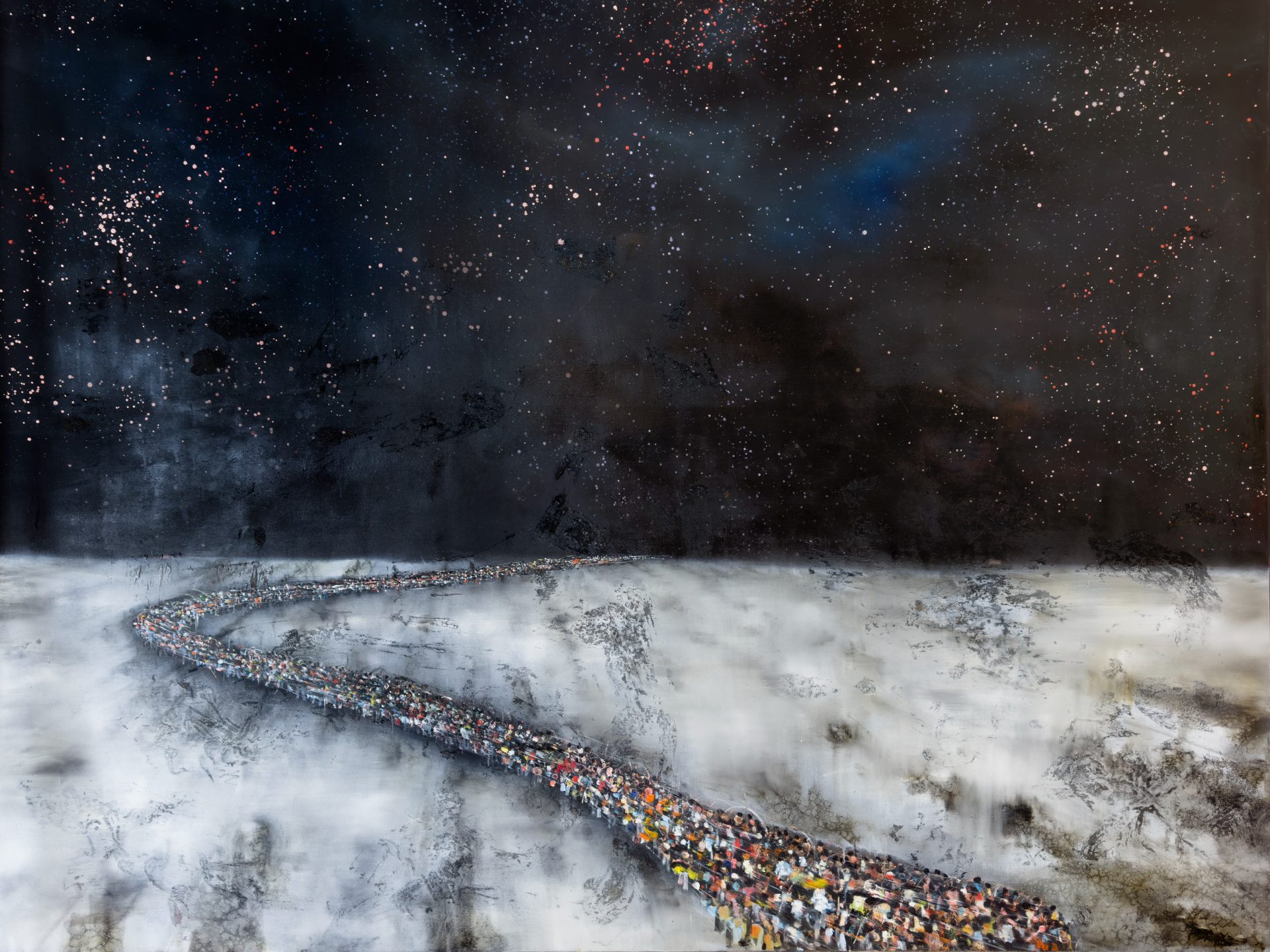
The installation explores memory and interiority, the self as refracted through the experience of home, and the mysterious, painful, and luminous world of childhood. It also investigates the relationship between lived experience and memory, the distance between witness and participant, and a sense of selfhood that is, in part, otherness.
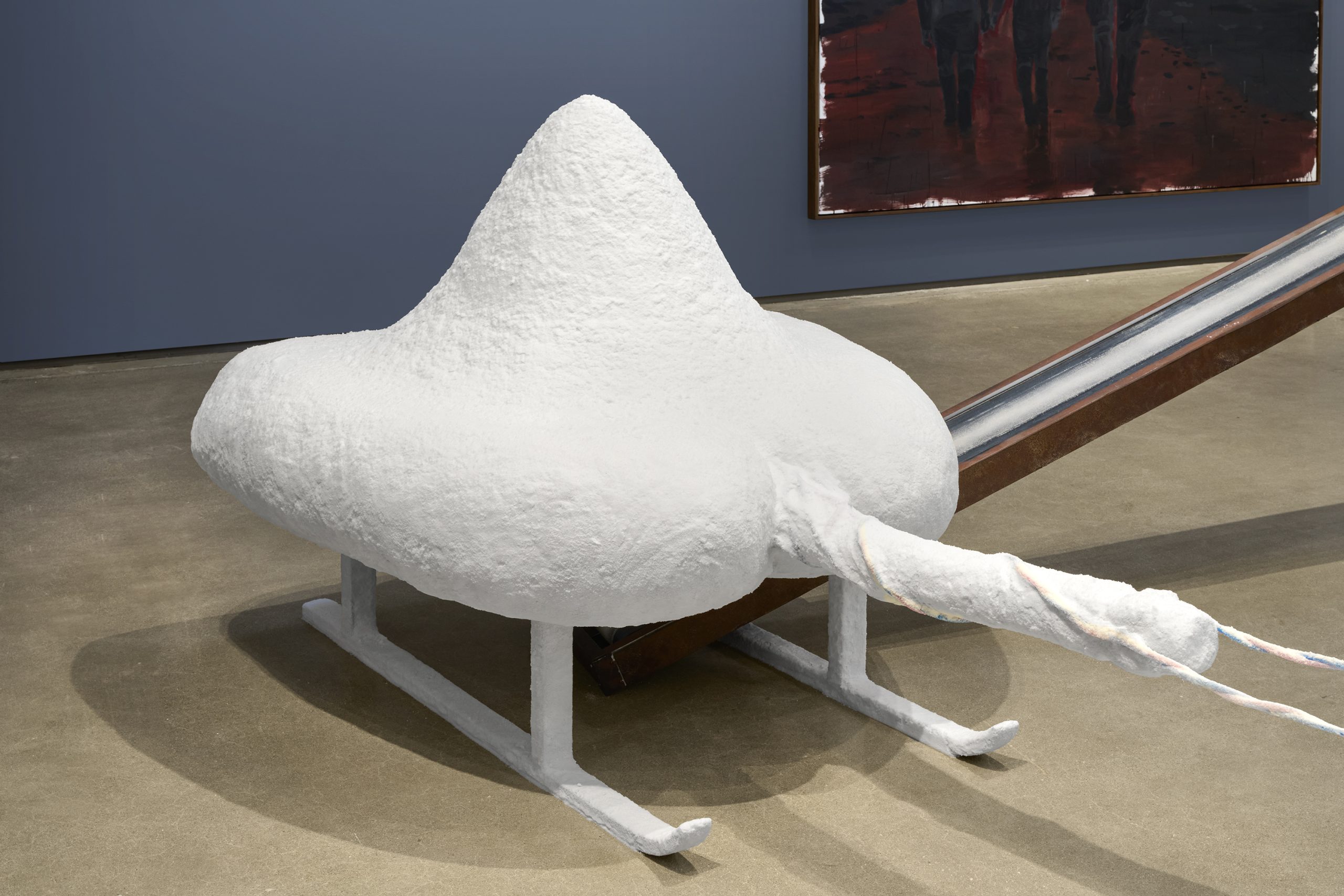
The work considers the intersection of utopia with everyday life, and asks how individuals and societies come to terms with the failure of their dreams. The installation is both an immediate experience and an allegory for the evolution of hope and illusion.
Enrique Martínez Celaya is an artist, author, and former physicist whose work has been exhibited and collected by major institutions worldwide. He is Provost Professor of Humanities and Arts at the University of Southern California and a Montgomery Fellow at Dartmouth College. His work is held in 58 public collections internationally. He is the author of nine books, including two volumes of Collected Writings and Interviews (2010 to 2017 and 1990 to 2010), and his work has been the subject of 14 monographic publications. He is the founder of Whale and Star, an imprint internationally recognized for books in art, poetry, art practice, and critical theory.
Made possible by generous support from Alicia Miñana and Rob Lovelace.