

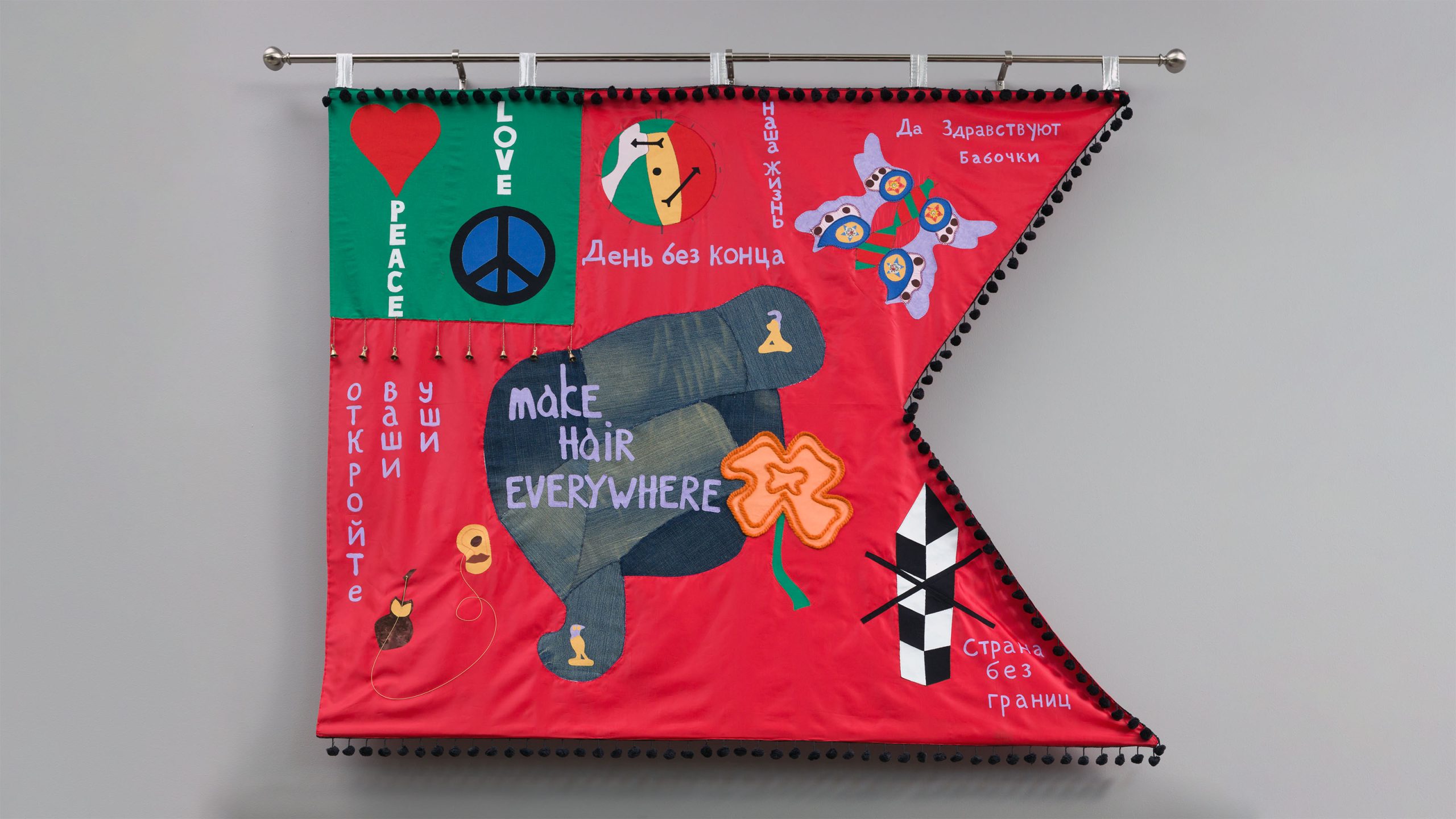
Join us for Samizdat Sundays, hands‑on textile workshops inspired by the spirit of creative resistance and DIY culture found in samizdat traditions. Each session offers a different project, connecting archival stories of subversion with contemporary making.
Each session is free, open to all skill levels, and guided by artists who delight in subversion and play. Come for one or come for all, and together we’ll stitch, alter, repair, and imagine new forms of expression.
November 15: What Is Above Is Below
At the second-to-last regular season game at Dodgers Stadium this year, a wayward eared grebe flew into the game, landing on their belly in the center of the outfield. The grebe, it seemed, had mistaken the shiny green grass of the field for the aqueous plants on a placid lake, fooled by the day-for-night lights of the stadium, perhaps, as they made their migratory way to another part of the state. Fortunately, the poor fowl found their way out of the false pond and flew out of the stadium, presumably not much worse for their unfortunate belly flop.
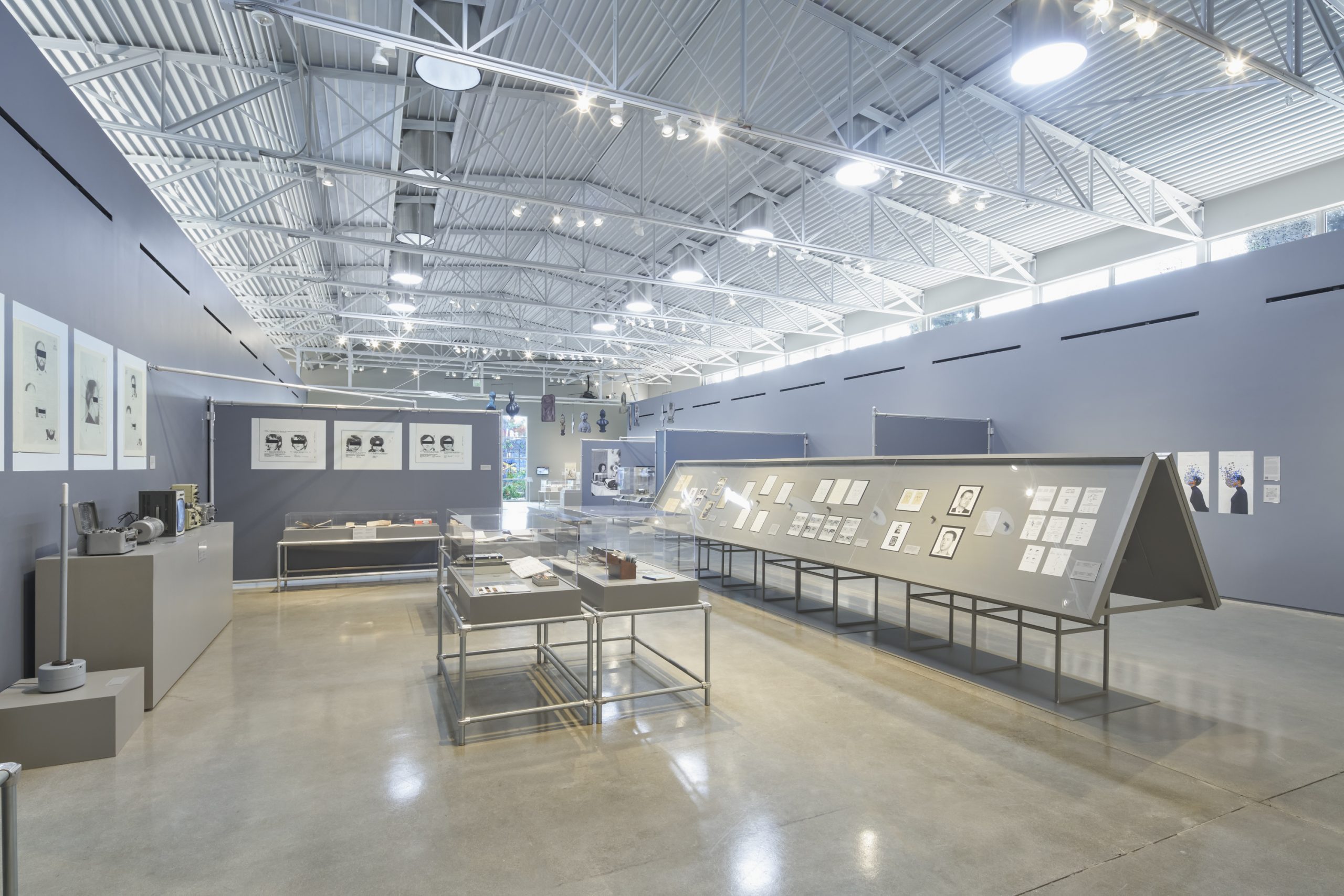
I thought of this when I was thinking of project ideas around the new “Competing Cosmologies” exhibition, which explores the intersection of art and science during the Cold War. This global competition has led to countless satellites being sent into outer space, our constellations cluttered with competing, unmanned space contraptions, some pointing down spying eyes, others sending down internet signals to bring access to the most remote regions of the earth. There are companies that want to send tens of thousands of satellite mirrors into space that would turn day to night anywhere (with precision, they claim) by reflecting the sun’s light onto the earth. How confused will we all be once the sky is filled with satellites and mirrors, when one is not wishing on a star but a satellite, and when there is no longer any “night” at all to hold the night sky?
We truly can see that what is above is below. The trash of our world now fills the skies. But here at Samizdat, we know that “trash” may be transformed into treasure, so today, let’s work with our discarded materials to turn “trash” into a two-sided, or perhaps two-facing map that represents the skyscape above and the landscape we live on. Perhaps your “map” is like the sky-moon-stars body of the ancient Egyptian goddess Nut as portrayed in tombs, or perhaps yours is like the remarkable Skidi Pawnee star chart at the Field Museum in Chicago, an animal hide marked with all of the visible stars in the North American sky, or perhaps your map will be like the cluster of dots hovering above an animal figure in the cave at Lascaux. What happens when we bring the stars and moon down to earth and carry them in our pockets? What happens when we imagine the mountains and oceans in the universe, when we see their undulations and rhythms in the spaces between stars and on the surface of the moon? Day-for-night, night-for-day; signals going back and forth; material above, material below (and what is “above” and what is “below” in our wall-less, roofless universe anyway?)…these are all notions to ponder as you make your map.
About the teaching artist
Kate Ingold is an LA-based artist and poet working with the discarded, the damaged, and the worn out. Materials and methods include textiles, collage, photography, video, ceramics, and performative installation. She works in series driven by conceptual concerns and is currently making work in two interwoven projects: Relics for Future Rituals and Damaged Goods/Small Repairs.
RSVPs for this free program do not guarantee admission. Limited seating is available on a first come, first served basis.
An ADA-accessible entrance to the Wende Museum Community Center is available through the garden gate from the parking lot. This gate will be opened approximately 15 minutes prior to the program.