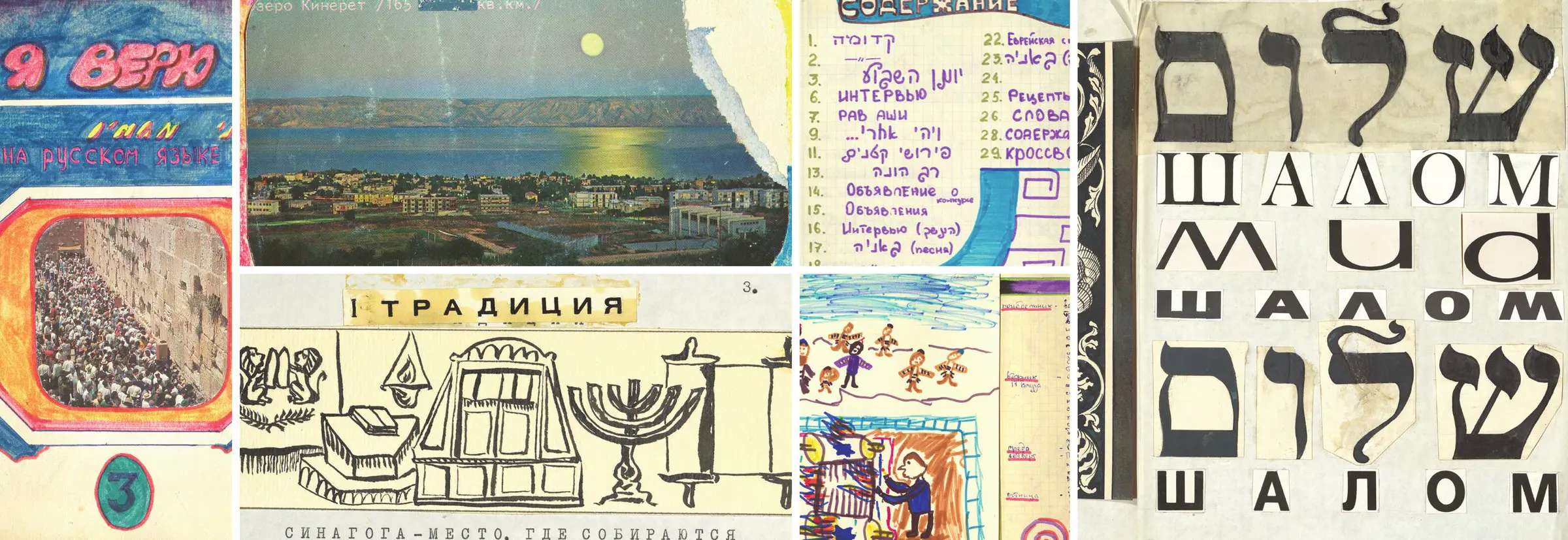
Soviet Jewry Curriculum
The Wende Museum’s Education Department has developed a four-lesson curriculum for high school students that explores the history of the Soviet Jewry movement through primary-source documents, photographs, and objects from the Robin Center for Soviet Jewry’s special collections.
Designed primarily for 9th- and 10th-grade students, the lessons align with California standards, particularly in History-Social Science and Ethnic Studies. They examine key themes including Soviet Jewish cultural activism and resistance, transnational solidarity between citizens of the United States and the USSR during the Cold War, and the role of underground publishing in preserving cultural identity and circumventing state censorship. The materials can also be adapted for a range of classroom settings and instructional approaches.
Each lesson is designed to fit a 60-minute class period and includes opportunities for students to engage directly with historical sources, develop inquiry skills, and consider the experiences and actions of Soviet Jews within their broader historical context.
Educators interested in learning more about the curriculum or receiving guidance and professional development support for implementing the lessons are encouraged to contact the Wende Museum’s Education Department at education@wendemuseum.org.
The curriculum includes introductory background materials and four lesson plans:
Class Visits
The Wende Museum offers opportunities to build on the Wende Museum school field trip experience with special programming focused on the history of Soviet Jewry and the refusenik movement. Through engagement with historical materials from the Robin Center for Soviet Jewry, students can explore the experiences of Soviet Jews within the broader context of Cold War history. Teachers are encouraged to connect with the Education Department in advance to align the visit’s content and activities with relevant coursework, classroom themes, and learning objectives.
For more information about field trips, contact education@wendemuseum.org or submit a visit request on the Wende Museum’s Education page.
Private Tours
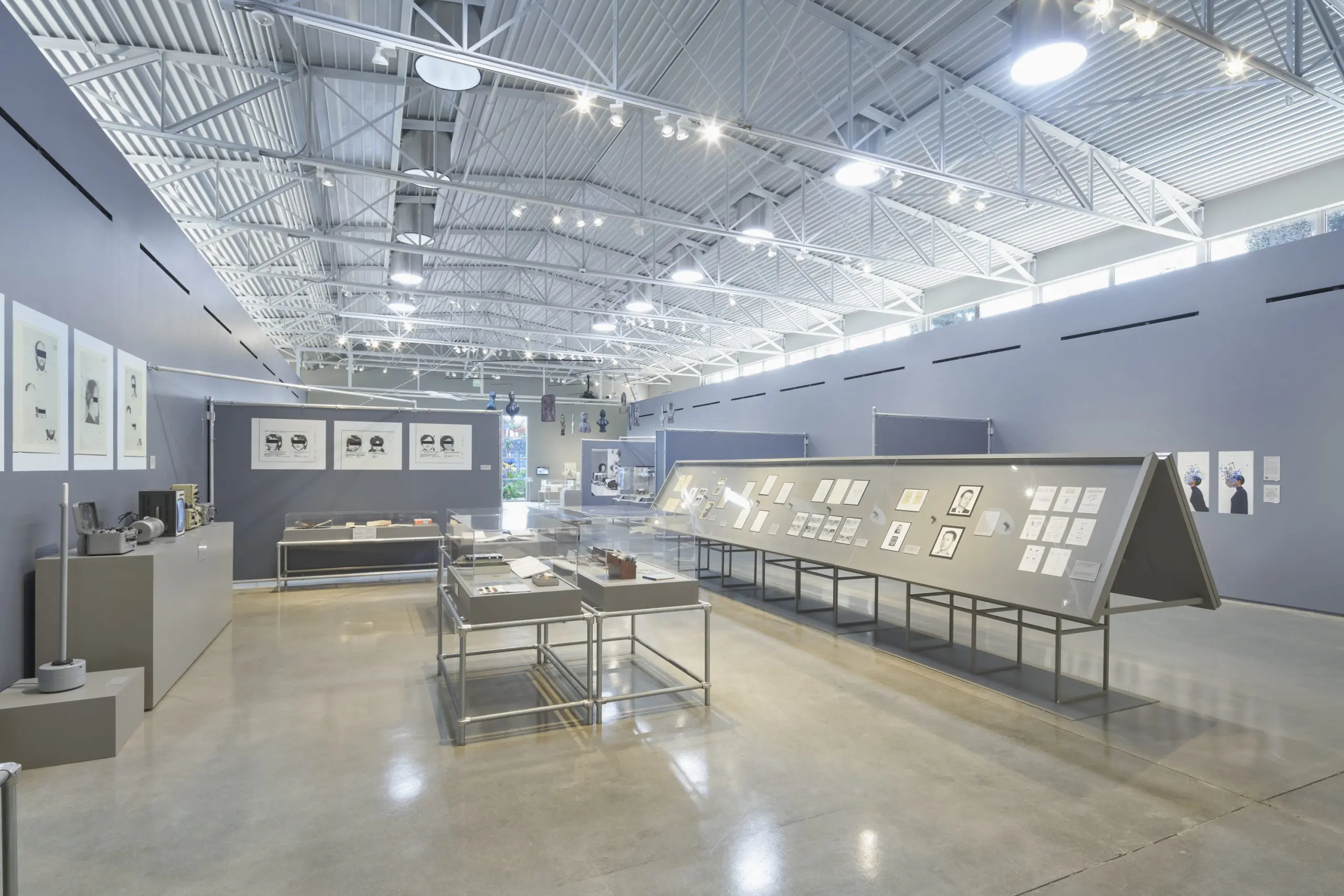
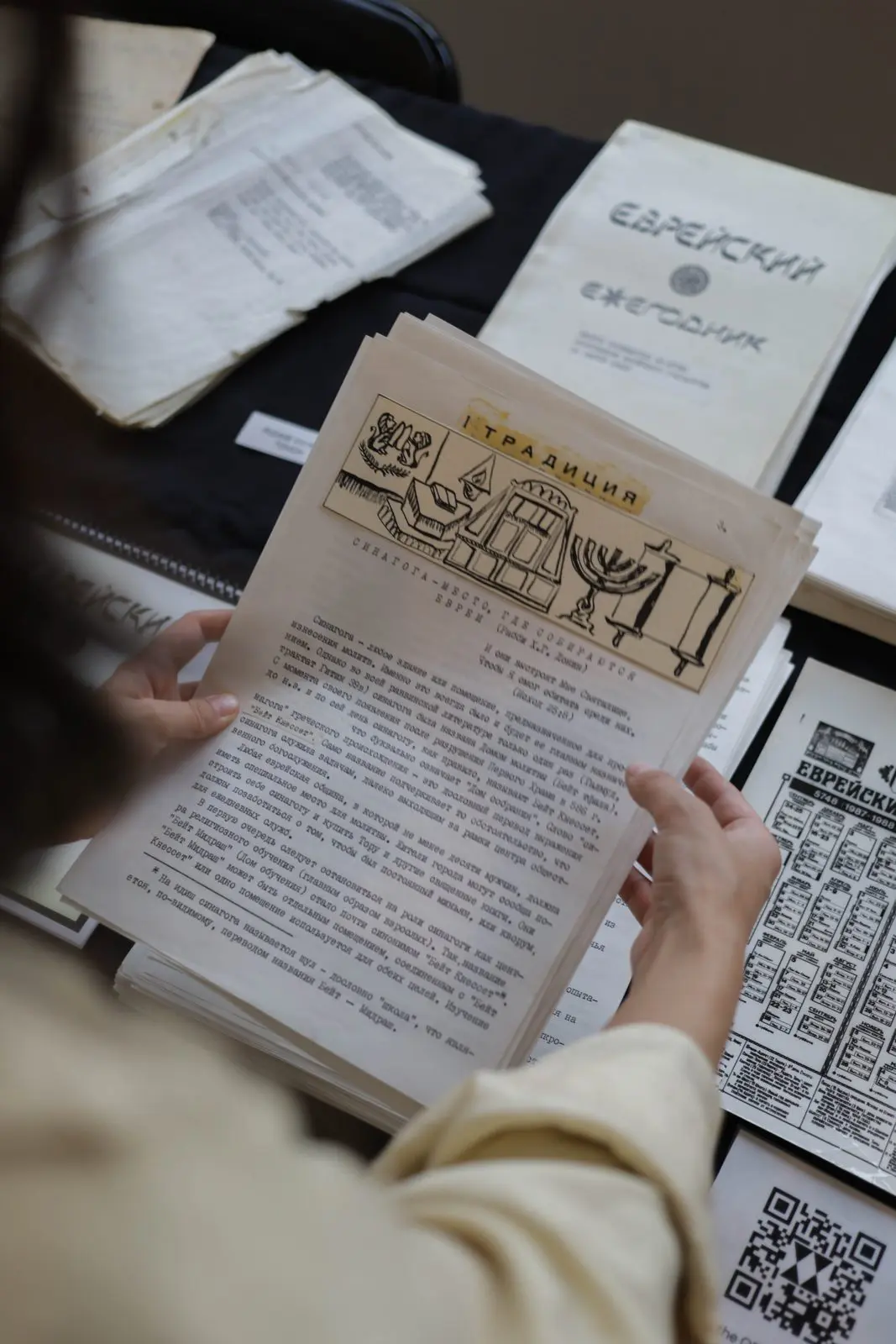
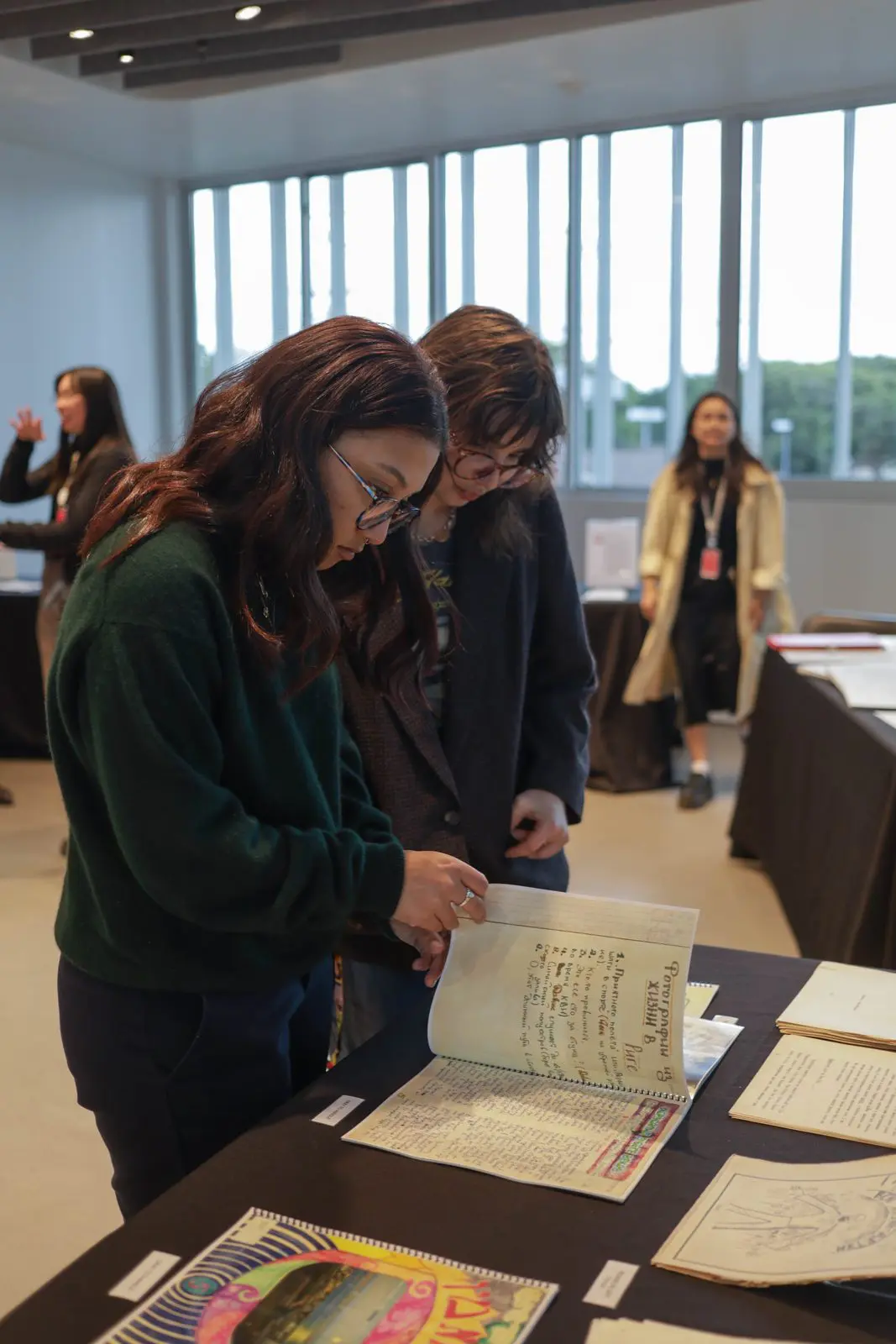
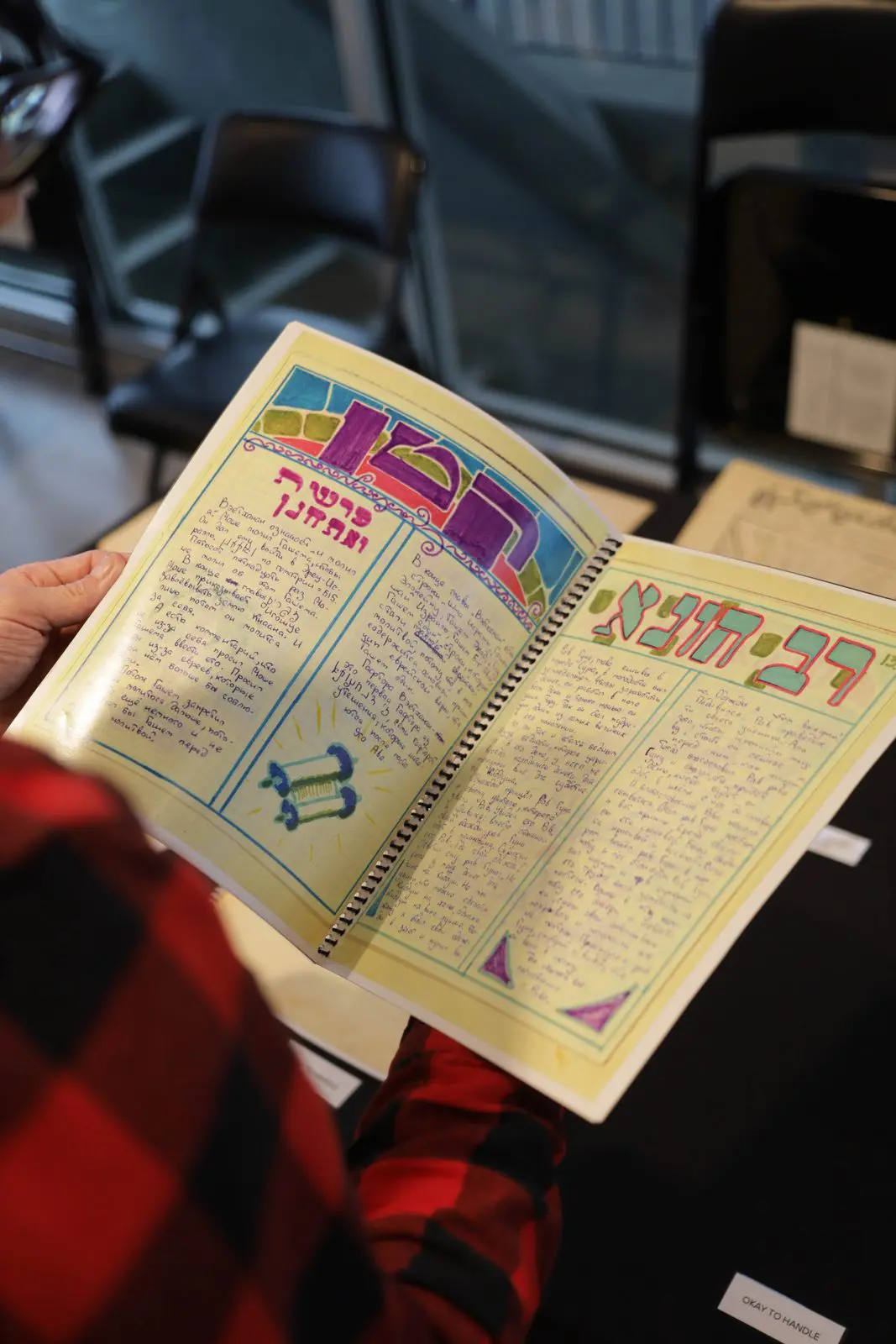
Private tours of the Wende Museum offer visitors an opportunity to explore our current exhibitions while taking a closer look at the history of Soviet Jewry through materials from the Robin Center for Soviet Jewry. In addition to engaging with the stories and themes presented throughout the galleries, visitors can encounter examples of Soviet Jewish samizdat, underground publications produced and circulated despite state censorship, and learn more about their role in preserving Jewish culture, sharing information, and expressing resistance under Soviet rule.
Private tours are offered for no charge and can accommodate groups of up to 25 visitors. For more information about private tours, contact education@wendemuseum.org.
Partnerships with Jewish Youth Camps
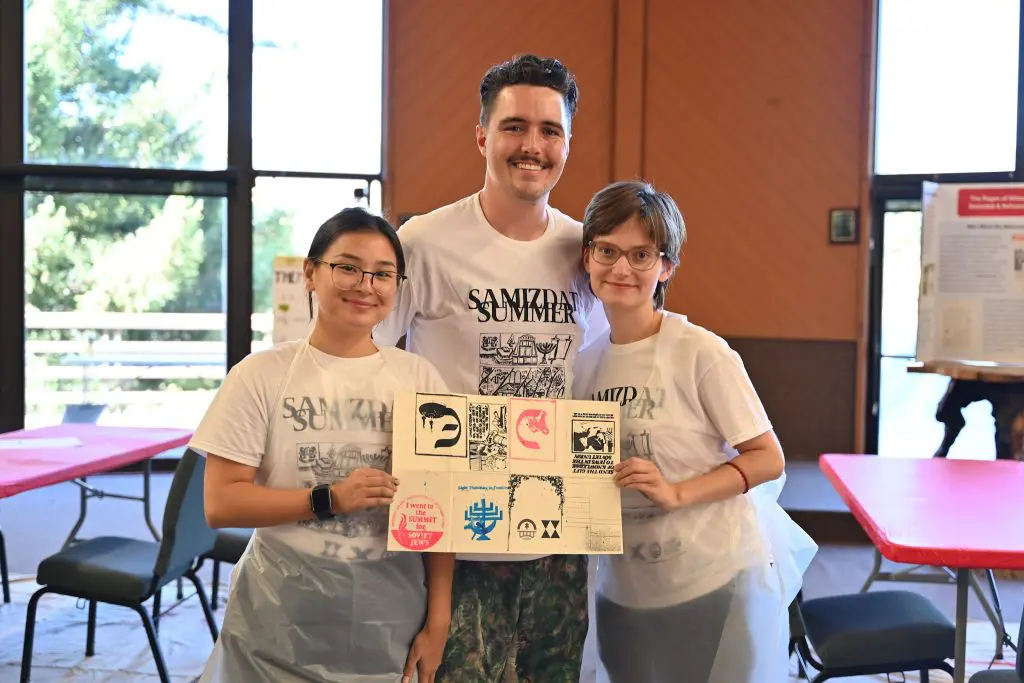
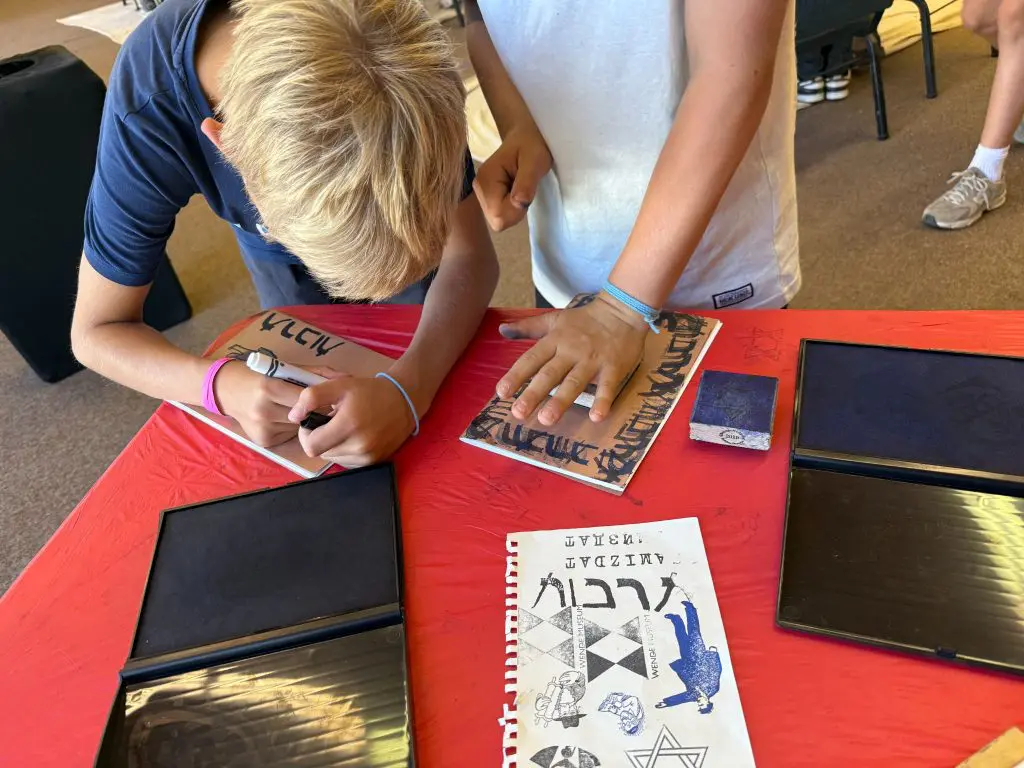
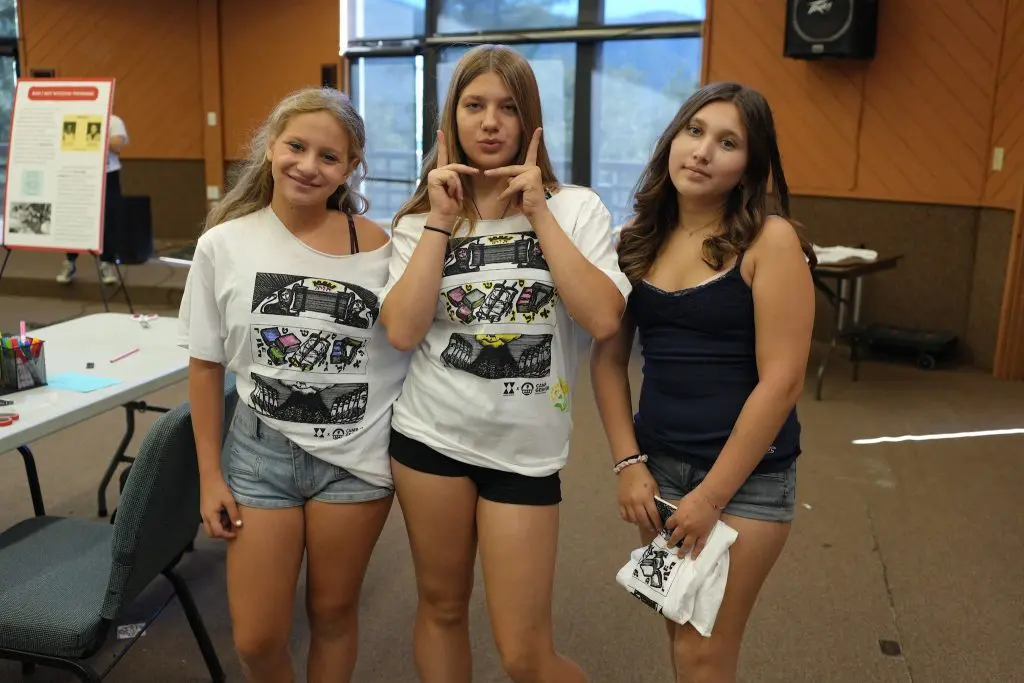
The Wende Museum’s educational work extends beyond the classroom through partnerships with organizations serving Russian-speaking Jewish communities. In collaboration with Camp Gesher, the only summer camp in North America dedicated to campers from Russian-speaking Jewish families, the Education Department has developed on-site activities that introduce campers to the Wende’s collections and the history of Soviet Jewish heritage. Through hands-on engagement, campers have opportunities to explore and celebrate the experiences, cultural traditions, and stories of Soviet Jews and their descendants.
Signature Programs
- Voices of Defiance: Soviet Jewry and the Refuseniks, symposium, January 26, 2025 | Videos | Program booklet
- Archives Open House
- Curated Open Storage Display, currently on display with rotating materials since 2022 | Open Storage: Samizdat & Surveillance on Bloomberg Connects
Past Programs and Exhibitions
- Defiant Laughter: An Evening of Soviet Jewish Purim Spiels, March 3, 2026 | Video
- Undercurrents II: Archives and the Making of Soviet Jewish Identity, exhibition, October 13, 2024–April 6, 2025 | Bloomberg Connects
- Rinsing the Bones, exhibition by Jenny Yurshansky, April 27, 2024–April 6, 2025
- Rinsing the Bones with Jenny Yurshansky, community sessions, April–June 2023
- Family Day: Soviet Jewish Samizdat Printmaking, April 30, 2023
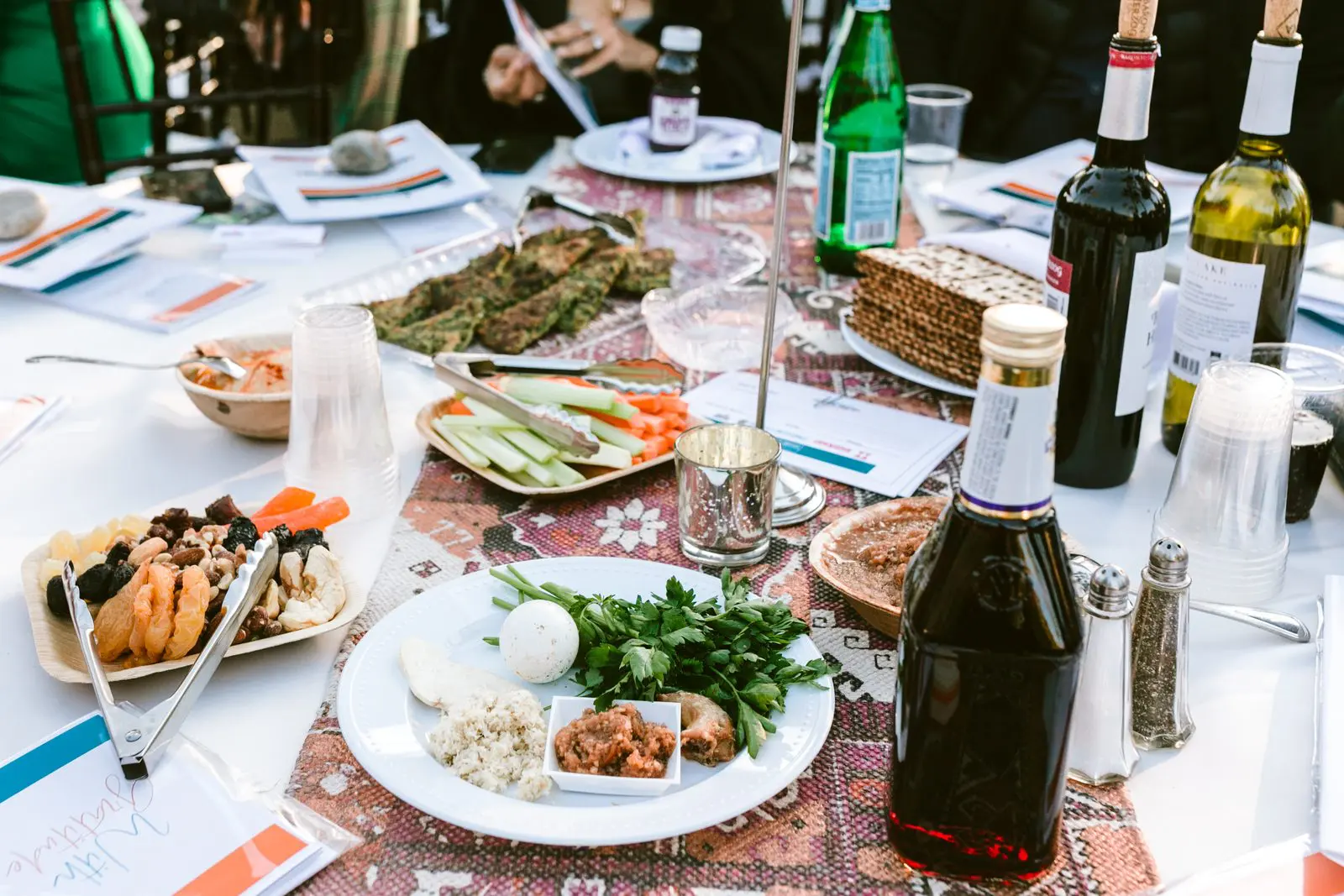
- Interfaith Passover Freedom Seder with the Jewish Federation, April 2023
- Unfolded Narratives Workshops with Jenny Yurshansky, September–December 2022
- Soviet Jewish Life: Bill Aron and Yevgeniy Fiks, exhibition, November 14, 2021–March 20, 2022
- Panel Discussion: The Movement to Free Soviet Jewry, from East and West, November 14, 2021
- Bill Aron & Yevgeniy Fiks Interviews, video
- Friday Night Films at the Wende: Birobidzhan, March 11, 2022
- Holocaust Museum LA x Wende Museum: The Soviet Jewish Experience, March 13, 2022 | Video
- Soviet Jewish Literature Panel Discussion, video
- Soviet Anti-Semitisms: A Lecture with J. Arch Getty, November 20, 2020 | Video
- Jewish Women’s Theatre Presents Past & Present: Russian Jewish American Stories at the Wende, November 11, 2018
- Film Screening: Red State to Golden State: Soviet Jewish Immigration to the City of Angels, An Oral History, December 15, 2013