

Russian Speaking Jewry Collection
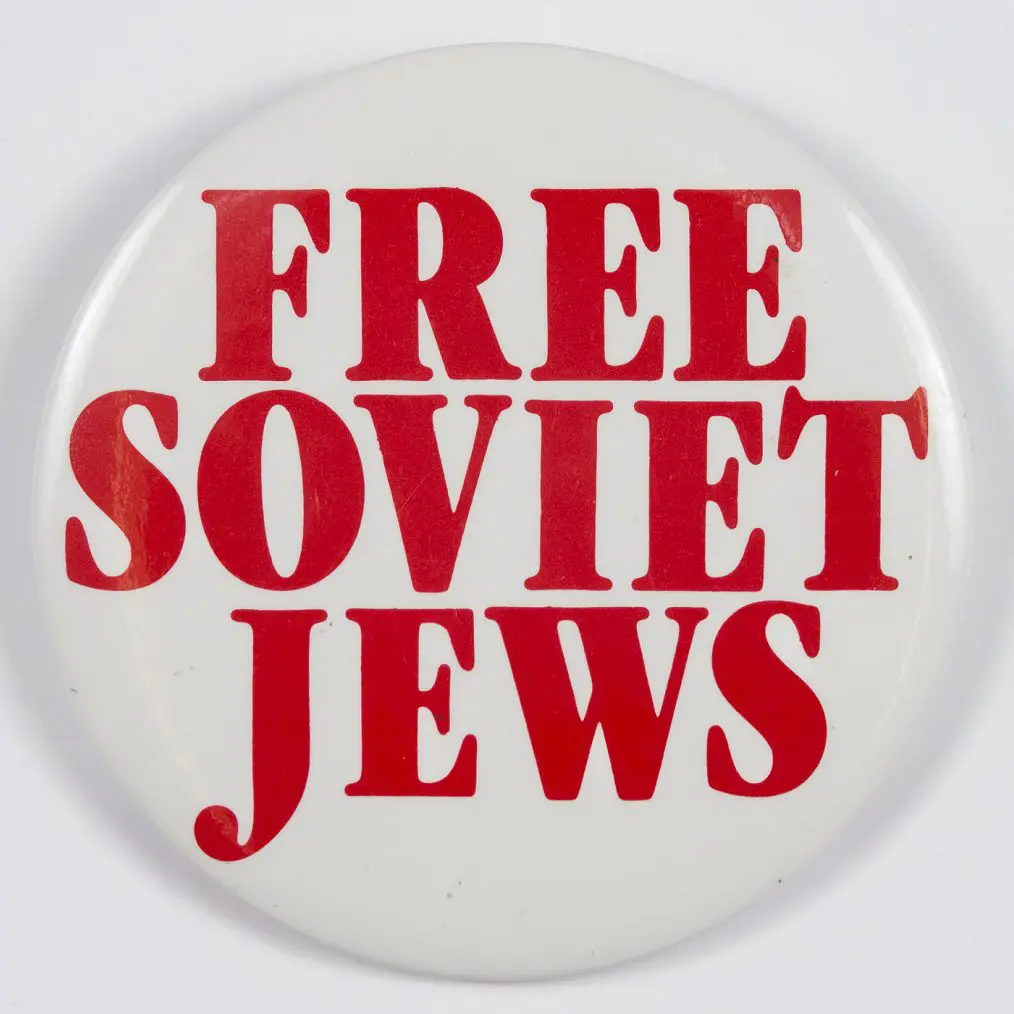
From 1989 to 1993, it is estimated that about 1.4 million Jews left the Soviet Union in one of the largest mass emigration movements in world history. Some made the decision to leave because of blatant persecution. Others, though they were doing well socioeconomically, sought to leave behind stereotypes and anti-Semitism. Those who left established new communities in Israel, the United States, Germany, and an expanding Russian-speaking Jewish diaspora. And then there were those who could not leave. Every person who applied to leave the Soviet Union risked losing employment, privileges, connection with friends and family, and social status. Jews whose requests to leave were refused earned the label “Refusenik.”
The Refusenik Movement became one of the pivotal political and cultural movements of the last half of the 20th century. Today, significant collections relating to this history are scattered, at risk of being lost, or inaccessible because they are uncatalogued and have not been digitized. As a result, scholars, specialists, and researchers are lacking important sources of information, and the collective memory of Refuseniks and Soviet Jewish émigrés is being forgotten.
The Soviet Jewry Archives preserve this history and make it accessible to scholars, students, and the public — now and in the future.
The cataloging and digitization of this collection was made possible by the support of Arcadia – a charitable fund of Lisbet Rausing and Peter Baldwin.
SAMIZDAT AND SURVEILLANCE
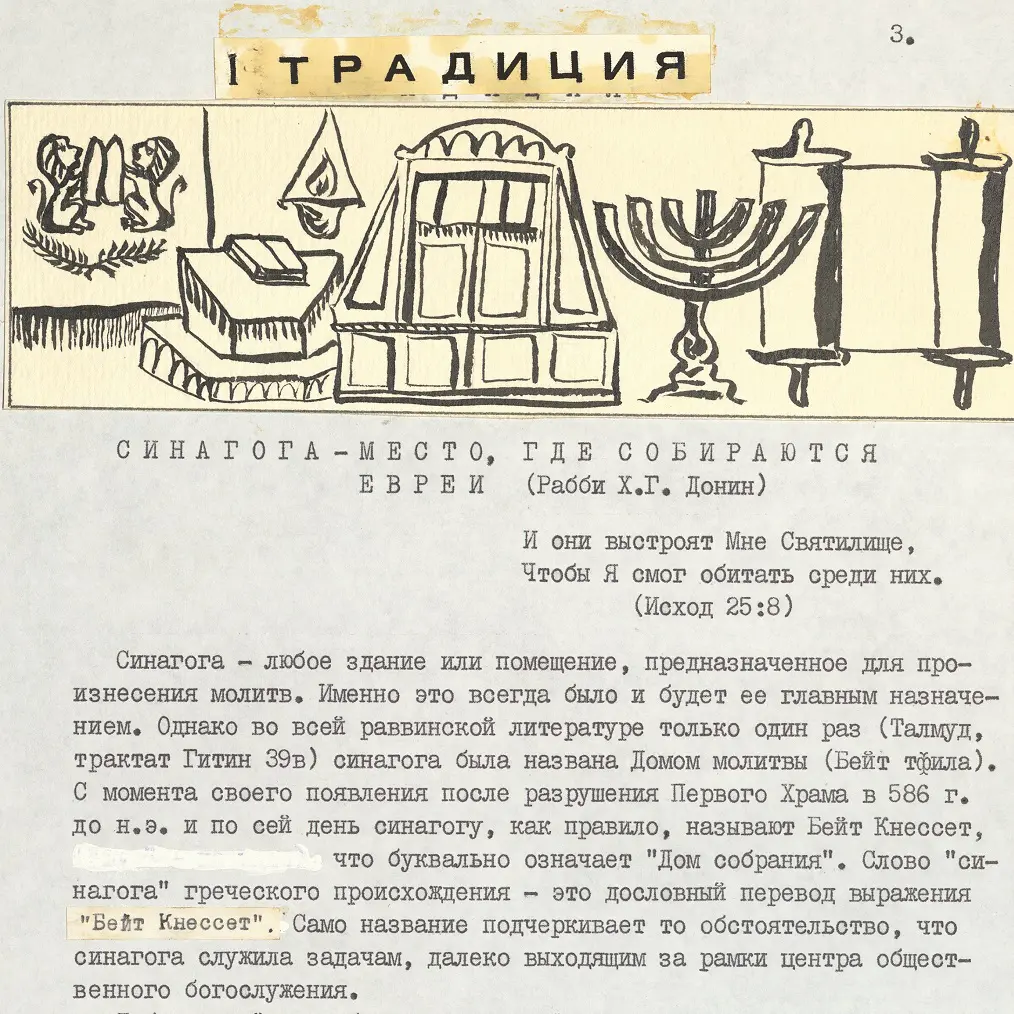
Samizdat combines the Russian words sam (self) and izdatelstvo (publishing house) to describe dissident material illegally produced and distributed in the Soviet Union from the 1950s through the early 1990s. Early samizdat was primarily focused on advocating for freedom of expression, but over time it expanded to include other forms of social critique and cultural commentary. More than a platform for dissent, samizdat helped build alternative identities, strengthen minority communities, and open up new ways of imagining life in the USSR.
Soviet Jews found this decentralized, grassroots approach to communication particularly useful, and various journals emerged in the early 1970s to cultivate a renewed Jewish consciousness. These journals — containing original essays and works translated from the West — were produced by hand in hidden workshops and passed around in secret, at the constant risk of police raids and imprisonment. The KGB — the Soviet secret police — treated every stage of samizdat as criminal: creating, producing, distributing, and even possessing it. They placed officers in synagogues, recruited informants, monitored Jewish citizens, and imprisoned suspected leaders.
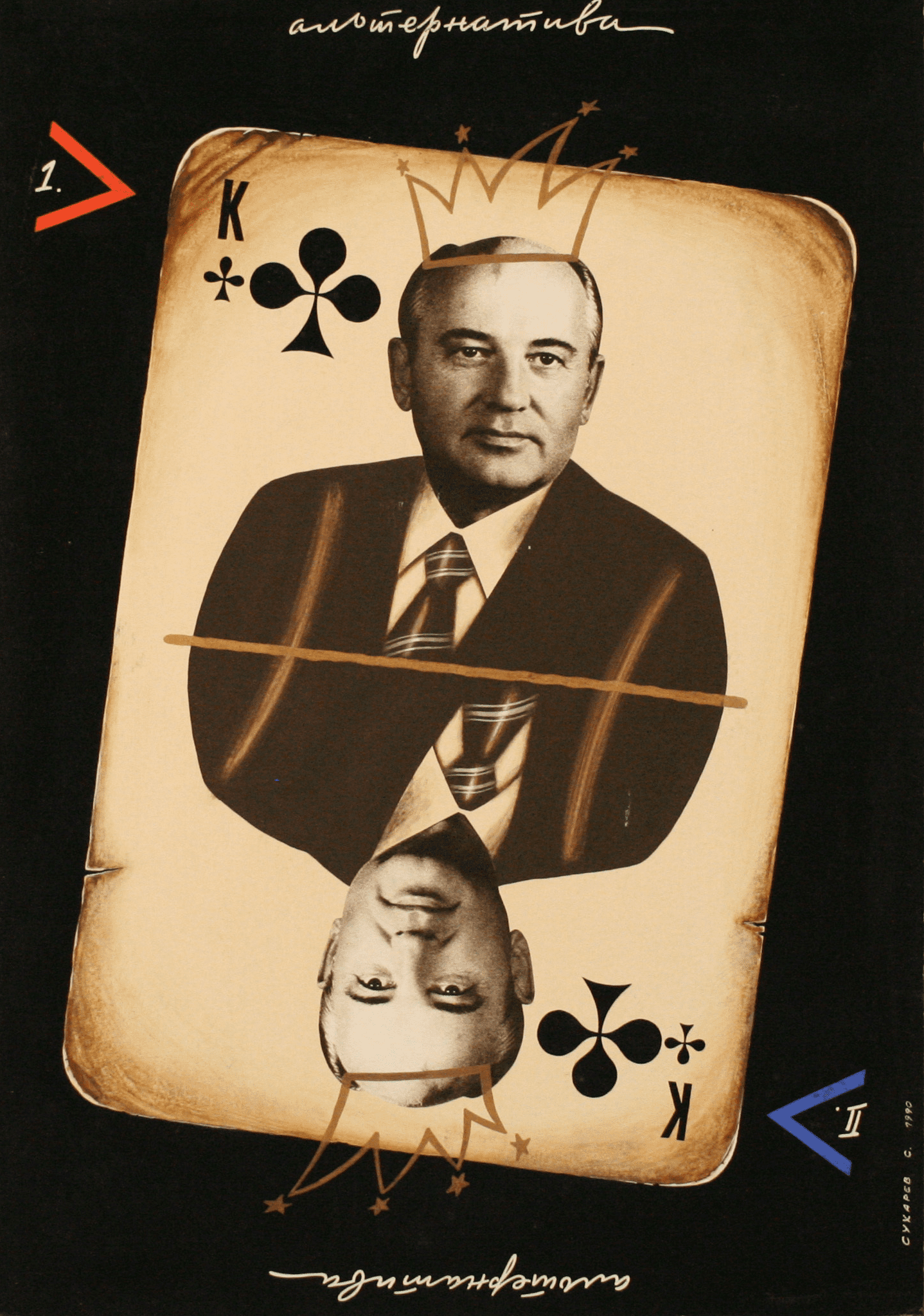
Ironically, police surveillance became a key element in reinforcing the Soviet Jewish community’s self-awareness and desire to emigrate. To evade the KGB, Soviet Jews built wider, stronger networks — turning ordinary citizens into active participants in the counterculture. The heightened KGB presence in major cities also forced the initially urban samizdat movement to spread into rural areas, ensuring a wider reach for dissident materials. This resilience allowed the community to outlast efforts to suppress it. By the late 1980s, Jewish cultural centers began to reemerge under Gorbachev’s more permissive government.