
Culver City,
California

Exhibition / Now on View
Anton Roland Laub: Mobile Churches in Ceausescu’s Bucharest
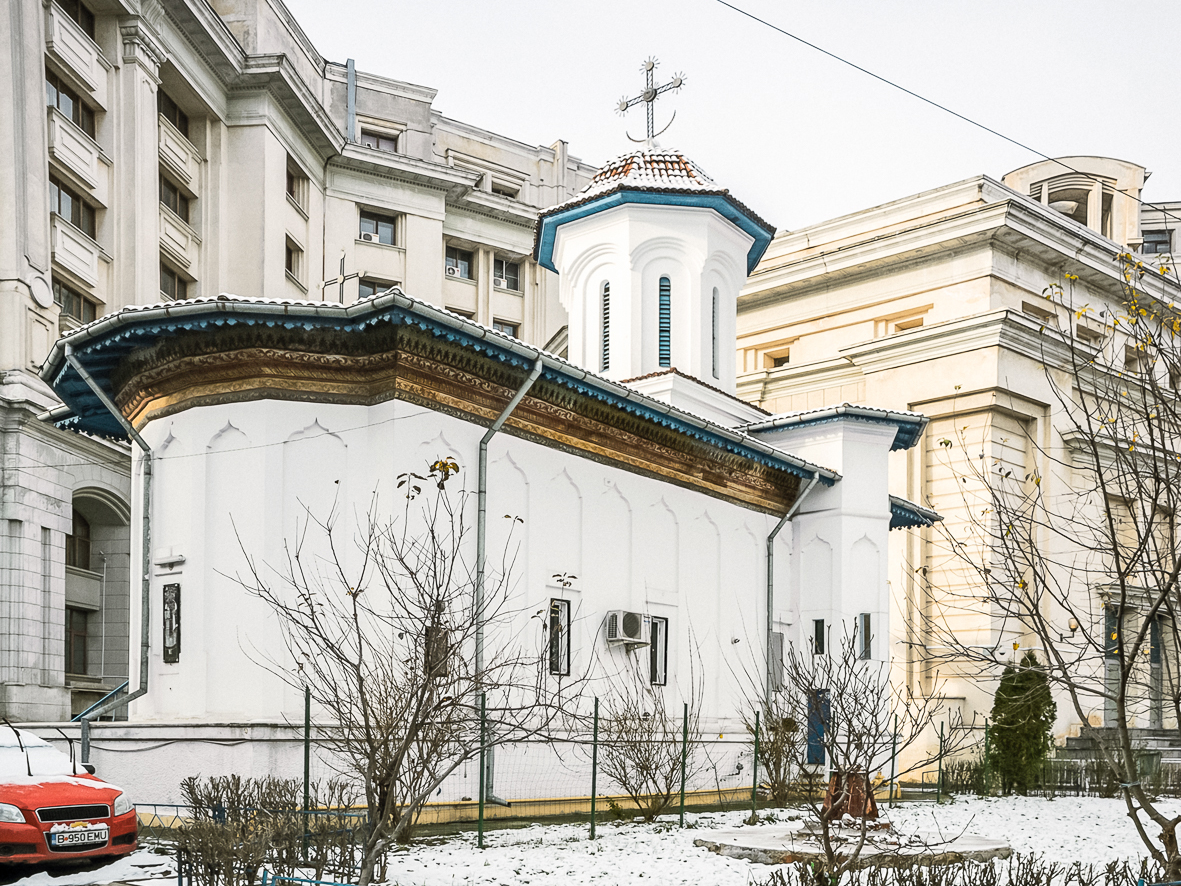
Anton Roland Laub, Annunciation Church of the “Retreat of the Nuns”, Mobile Churches, 2013–2017, archival pigment print on fine art Baryta paper, Bucharest Courtesy of the artist
April 25, 2026 to October 11, 2026
The Wende Museum
Bucharest in the 1980s. Ceaușescu’s “systematization” program is reshaping the Romanian capital: one-third of the historic center is being demolished to make way for the megalomaniacal “People’s House” and broad avenues built for official parades. When the Ceaușescu regime fell in 1989 and the demolition stopped, the program was said to have caused the largest peacetime destruction in European history.
Ceaușescu was particularly ruthless toward religious sites. Even so, seven churches were spared, subjected to a process as remarkable as it was absurd: lifted onto rails, moved, and hidden behind housing blocks. Several other sacred buildings, including the Polish Synagogue, were surrounded and masked by large panel buildings. Withdrawn from the cityscape and isolated in the gaps between Bucharest’s disparate architecture, these structures lead secret lives, harboring unresolved memories.
Combining recent photographs by the artist with archival material, Mobile Churches is a critical and artistic record of a dramatic and little-known chapter in the urban and political history of the Eastern Bloc.
After numerous exhibitions across Europe, Mobile Churches is being presented in the United States for the first time by the Wende Museum. This series is the first part of a trilogy of works by Laub (2013 to 2017), followed by Last Christmas (of Ceaușescu) (2015 to 2020) and Mineriada (2014 to 2022). All three series were published as books by Kehrer Verlag (Heidelberg).
Guest-curated by Sonia Voss, independent curator.
Share
Current
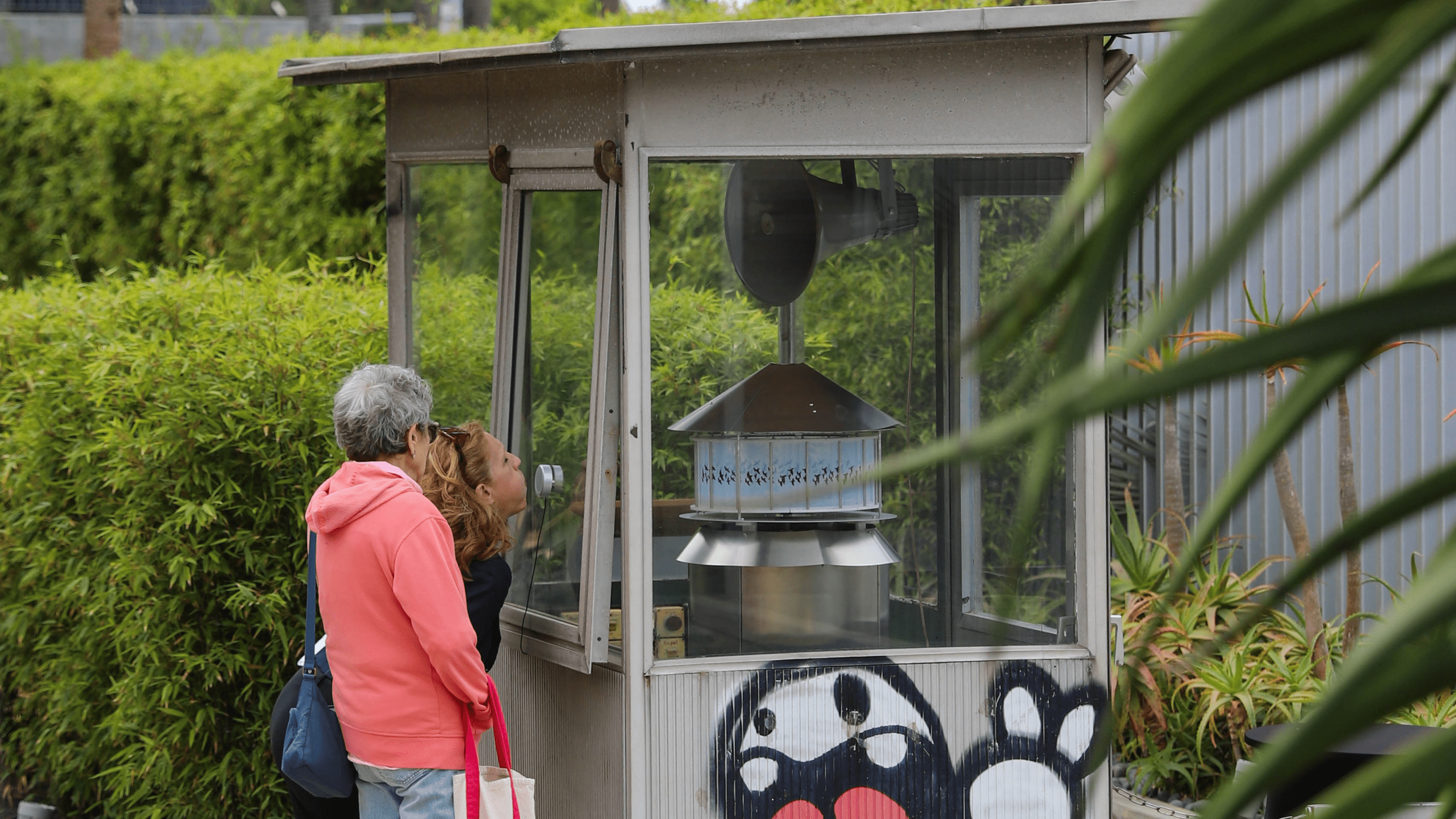
Ivana Dama: Breathing Alarms
Breathing Alarms by New York-based artist Ivana Dama, born and raised in Belgrade, former Yugoslavia, reimagines this East German guardhouse as an immersive environment where …
April 26, 2026 - October 11, 2026
See More
Current
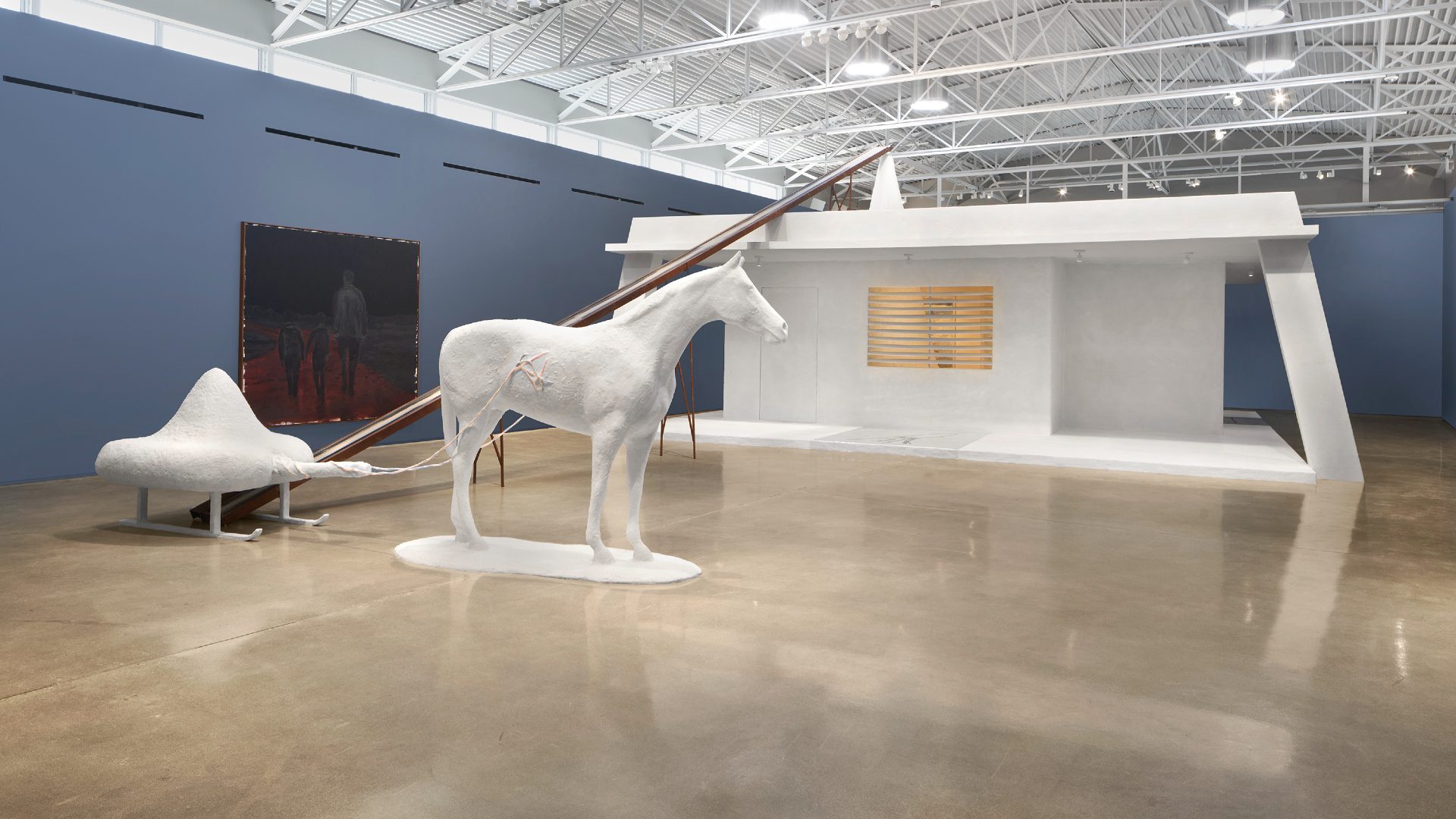
Enrique Martínez Celaya: The Sextant
Between 1957 and 1963, the artist’s father built a modernist house in a small coastal village in Cuba. The period spanned the Cuban Revolution, the Cuban Missile Crisis,…
November 8, 2025 - October 11, 2026
See More
Upcoming
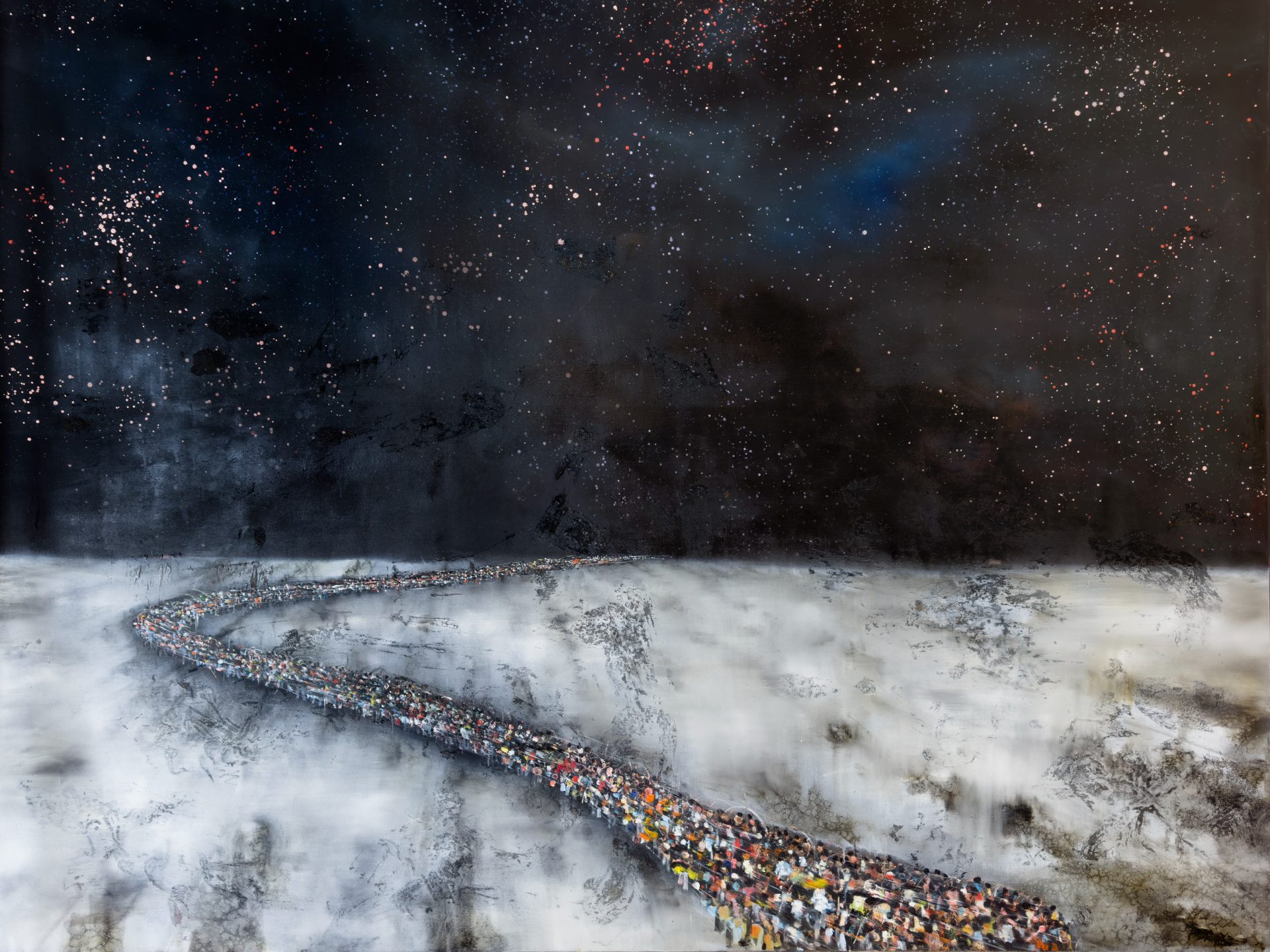
Competing Cosmologies: Interpreting the Sky
Co-curated by the Wende’s Curatorial Department and NASA historian Lois Rosson, Competing Cosmologies explores how new discoveries in space exploration during and after …
November 7, 2026 - October 17, 2027
See More