
Culver City,
California

Exhibition / Past
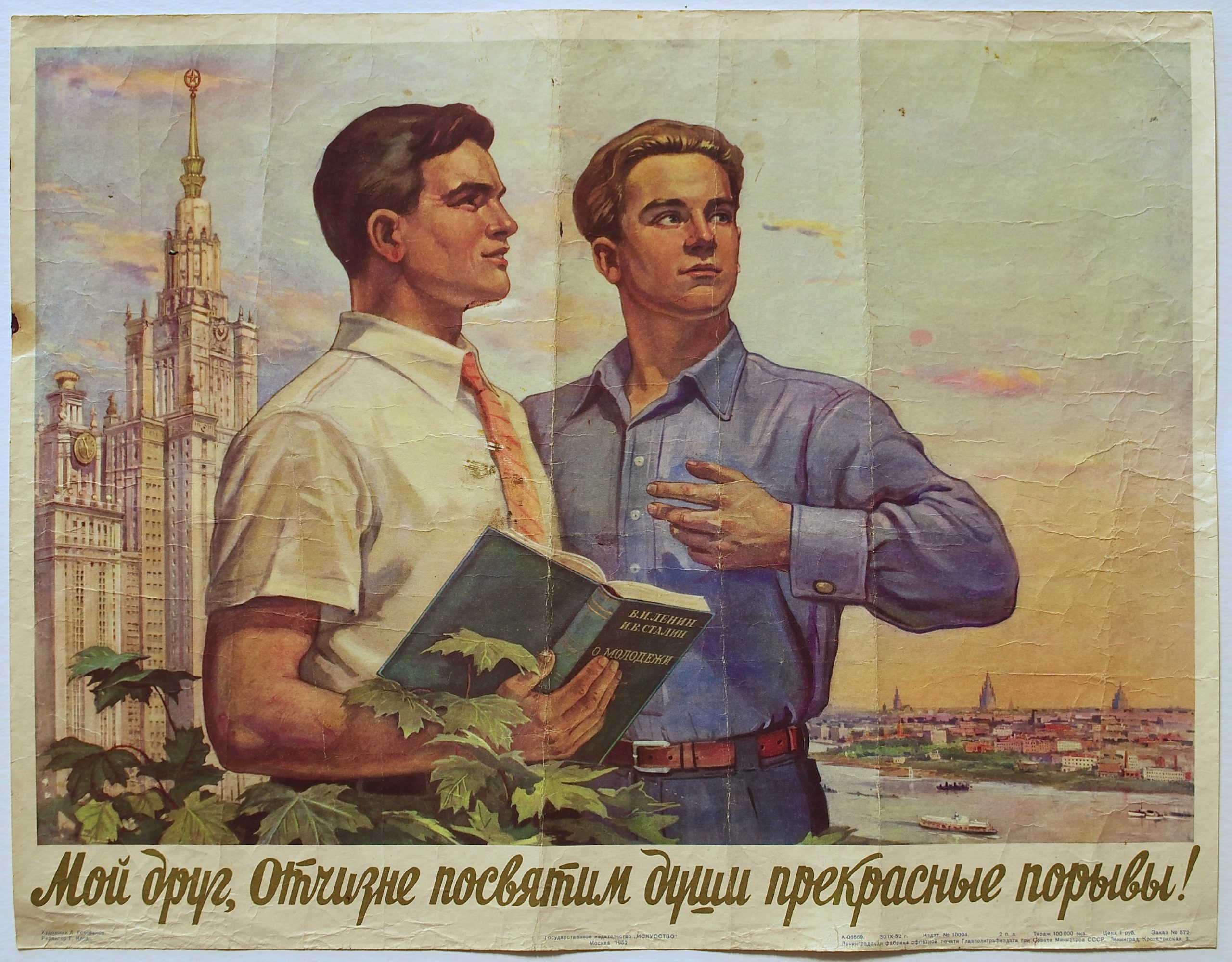
Stalin’s Russia: Visions of Happiness, Omens of Terror
February 4, 2014 to May 24, 2014
Doy and Dee Henley Galleria, Argyros Forum, Chapman University, Orange, California
Stalin used propaganda to convey a three-fold image, as a forceful and capable leader, a wise and learned teacher, and a gentle and forgiving father to the people. This carefully crafted persona was zealously protected and promoted at all levels. In the novel In the First Circle, Aleksandr Solzhenitsyn sardonically used Stalin’s official biography to illustrate the effectiveness of this rhetoric: “His strategic genius. His wise foresight. His powerful will. His iron will. From 1918 on he had for all practical purposes become Lenin’s deputy. Yes, yes. That was the way it had been!”
However, in a letter given to the Central Committee of the Communist Party upon his death, Lenin made his wishes regarding the future of communism in Russia clear. The letter, called Lenin’s Testament, rejected Stalin in explicit terms:
Stalin is too rude, and this fault, entirely supportable in relations among us Communists, becomes insupportable in the office of General Secretary. Therefore, I propose to the comrades to find a way to remove Stalin from that position and appoint to it another man who in all respects differs from Stalin only in superiority—namely, more patient, more loyal, more polite and more attentive to comrades, less capricious, etc.
Stalin had already consolidated power in his hands during the lengthy period of illness prior to Lenin’s death, and so Lenin’s Testament was never made public to the Soviet people. Instead, Stalin made sure that the myth of his great friendship with, and love for, Lenin were monumentalized in propaganda. He understood that it was vitally important to create a new narrative of his path to leadership.
Excerpt from catalogue essay by Mark Konecny, Associate Director, Institute of Modern Russian Culture
Share
Current
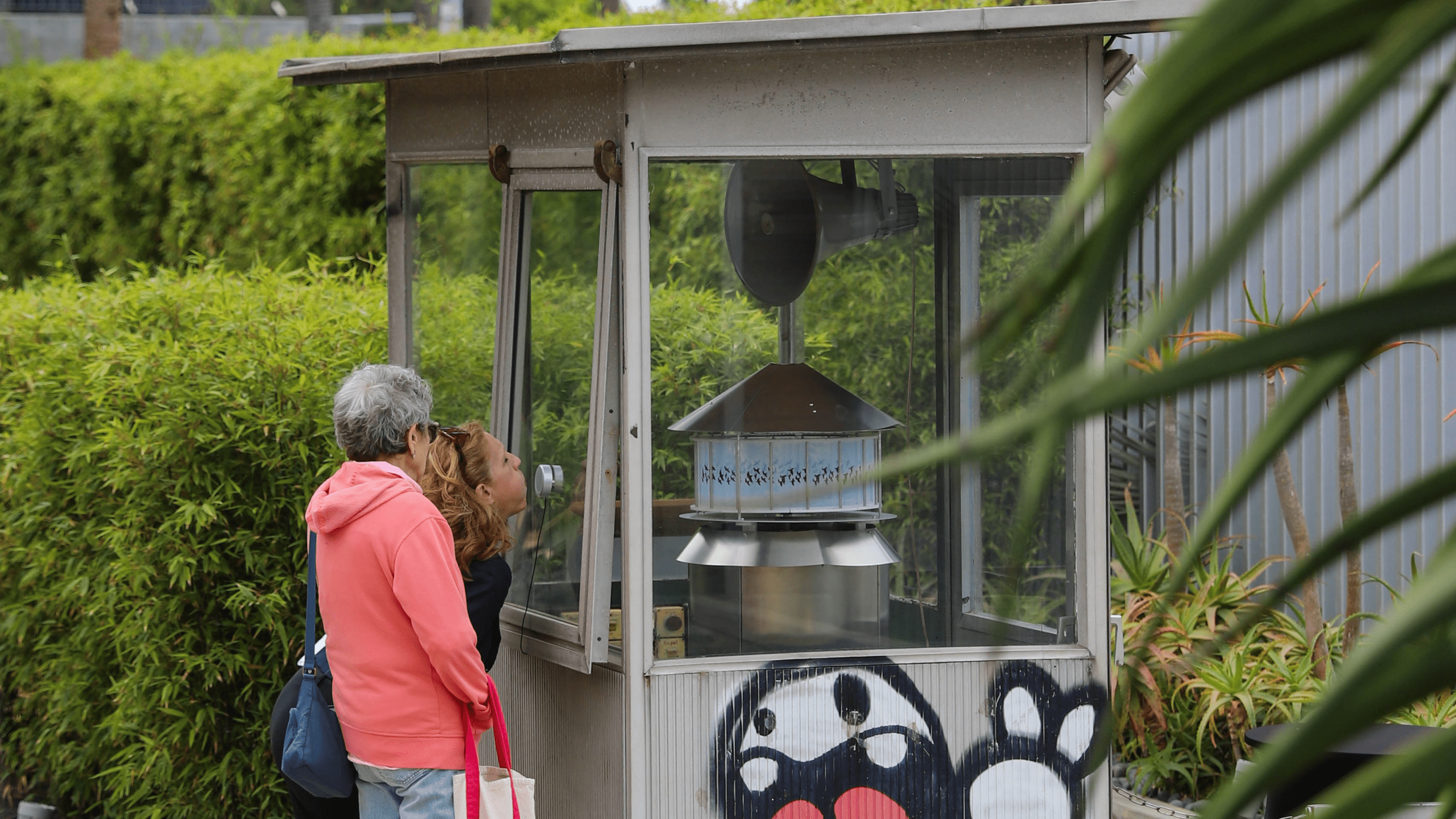
Ivana Dama: Breathing Alarms
Breathing Alarms by New York-based artist Ivana Dama, born and raised in Belgrade, former Yugoslavia, reimagines this East German guardhouse as an immersive environment where …
April 26, 2026 - October 11, 2026
See More
Current
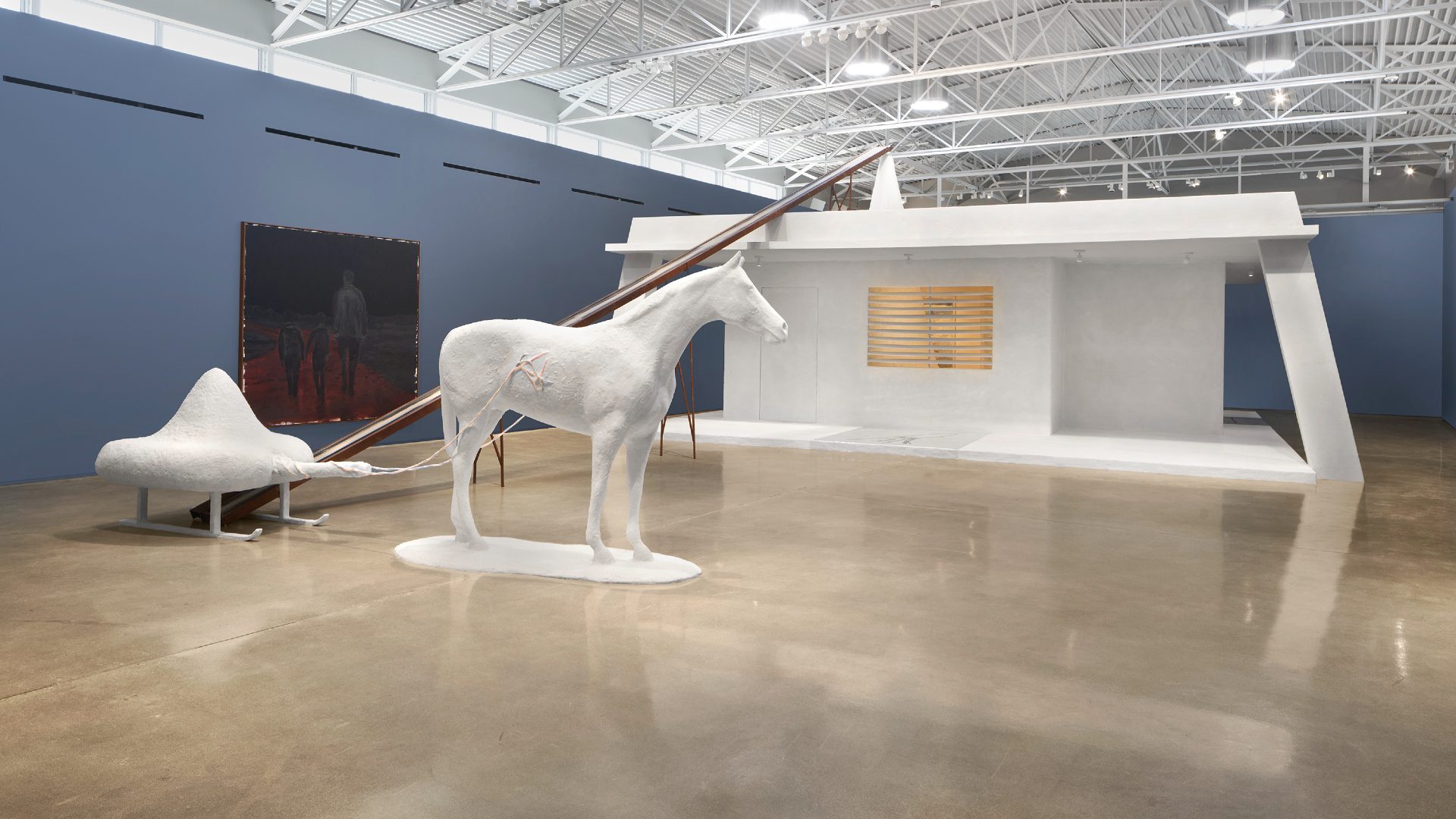
Enrique Martínez Celaya: The Sextant
Between 1957 and 1963, the artist’s father built a modernist house in a small coastal village in Cuba. The period spanned the Cuban Revolution, the Cuban Missile Crisis,…
November 8, 2025 - October 11, 2026
See More
Current
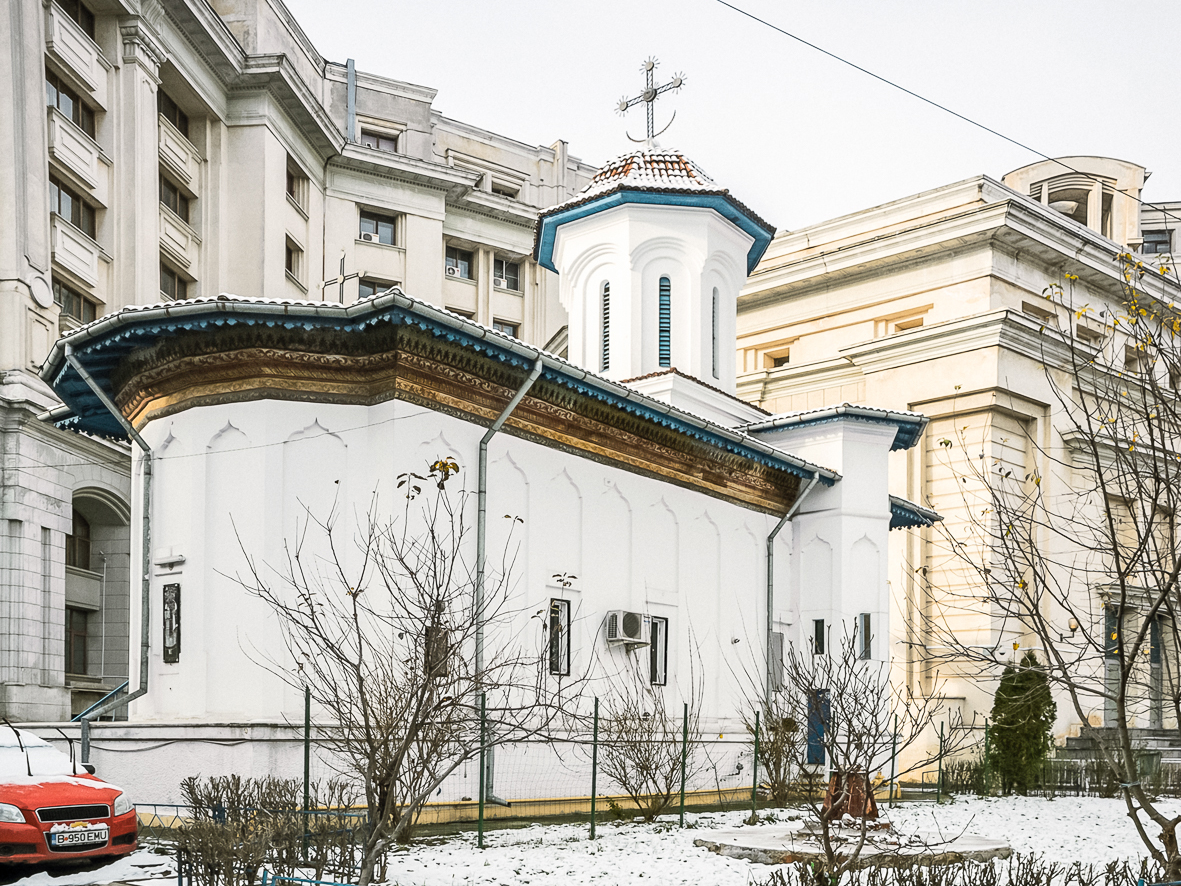
Anton Roland Laub: Mobile Churches in Ceausescu’s Bucharest
Bucharest in the 1980s. Ceaușescu’s “systematization” program is reshaping the Romanian capital: one-third of the historic center is being demolished to mak…
April 25, 2026 - October 11, 2026
See More